2 hr
Land's End Snorkeling & Arch Exploration
- Entry ticket
- Mobile voucher
- Valid same day
- Free cancellation
Snorkeling in Cabo San Lucas — Reef Access & Marine Sanctuary Tours
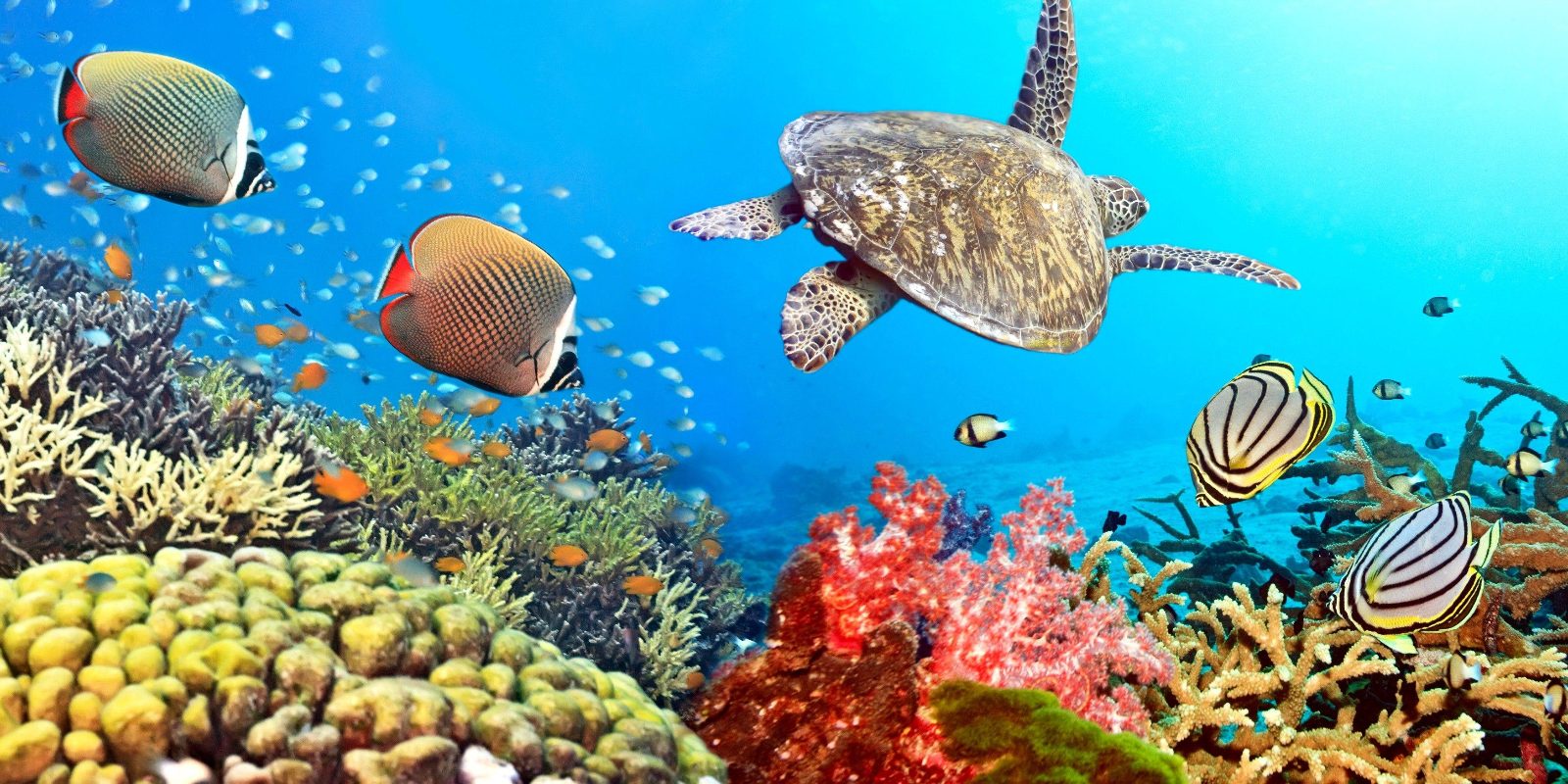
Pacific and Sea of Cortez converge here, protecting 800 fish species year-round.
Compare fares, pick the fit — all bookings are mobile-voucher and eligible for free cancellation where shown.
2 hr
3 hr
4 hr
| Experience | Duration | Rating | Lunch | Guide | Small group | Free cancel. | Price | |
|---|---|---|---|---|---|---|---|---|
|
Standard Entry
Most popular
Land's End Snorkeling & Arch Exploration
|
2 hr | ★ 4.9 | — | ✓ | ✓ | ✓ | €47 | Book → |
|
Standard Entry
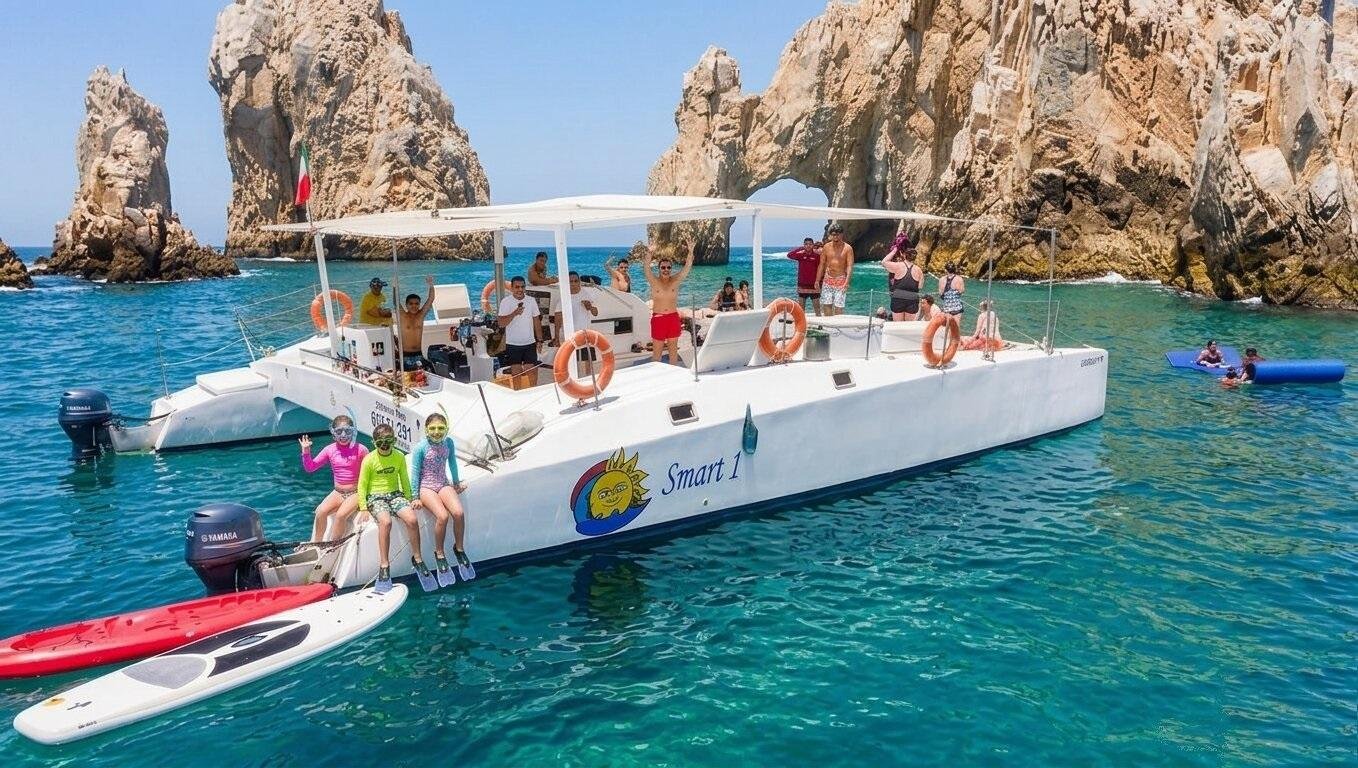
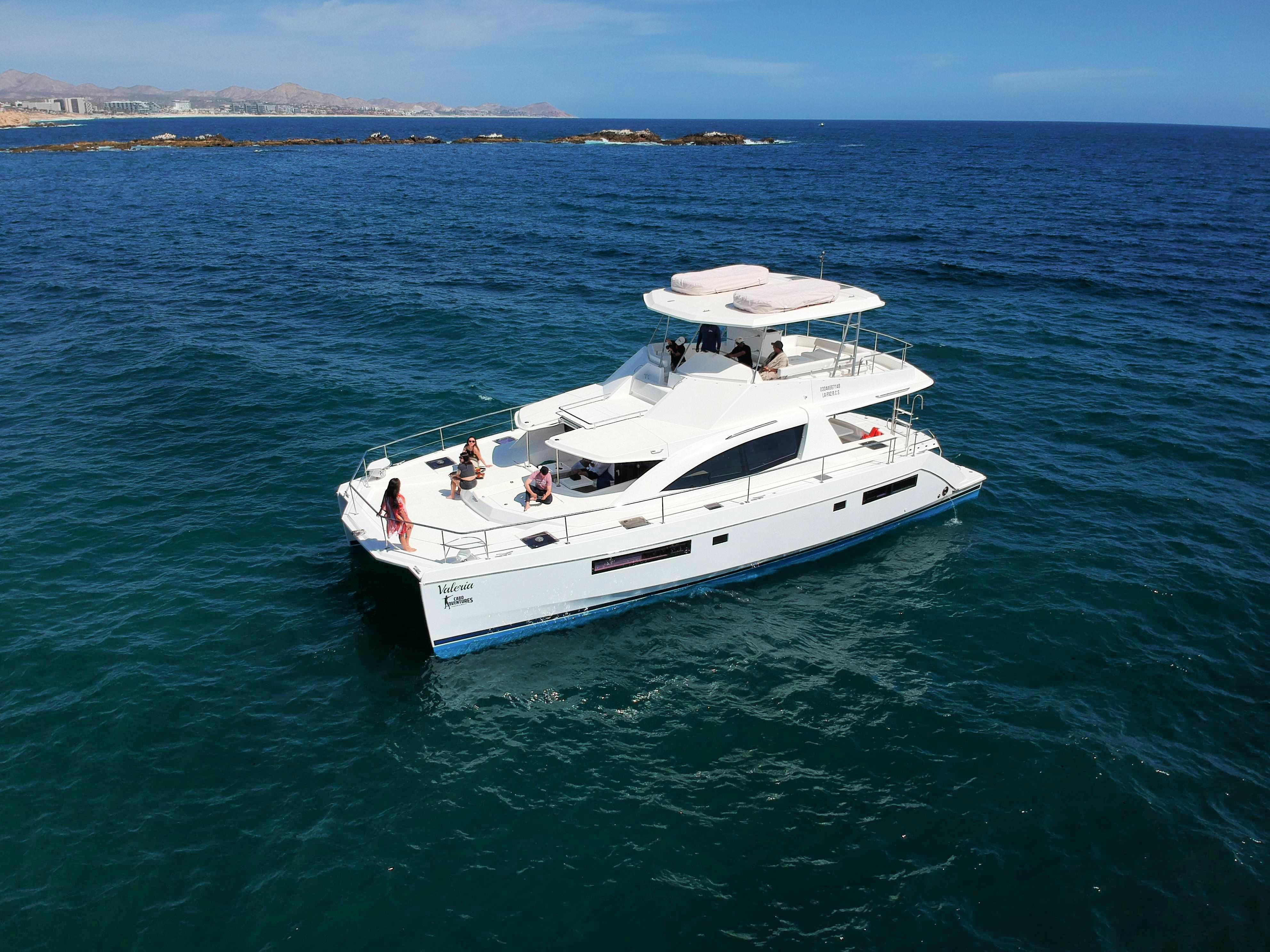
Cabo Catamaran Snorkeling Adventure with Open Bar
|
3 hr | ★ 4.5 | ✓ | ✓ | ✓ | ✓ | €64 | Book → |
|
Standard Entry
Cabo San Lucas Snorkeling Cruise with Open Bar
|
4 hr | ★ 4.5 | ✓ | — | — | ✓ | €93 | Book → |
Shore access provides freedom for casual exploration, whereas professional snorkeling in cabo san lucas tours offer superior access to distant reef sites. Most visitors find that combining the two yields the most comprehensive view of local marine life.
|
Top pick Shore Snorkeling |
Guided Boat Tours | |
|---|---|---|
| Ease of Access | Walk-in from beach | Requires boat transit |
| Wildlife Diversity | Near-shore species | Open water and reef species |
| Total Cost | 0 USD | 45–120 USD (summer) |
| Flexibility | Self-paced schedule | Fixed tour departure times |
| Equipment Needs | Bring your own | Provided by operator |
| Skill Level | Beginner to intermediate | Intermediate to advanced |
| See tickets & prices |
Verdict: Choose independent snorkeling in cabo san lucas if you prioritize autonomy, or select a guided snorkeling in cabo san lucas tour to reach diverse sea life located further offshore.
Hand-picked experiences loved by thousands of travelers
3 hours 30 minutes
Free Cancellation
Paddle the Sea of Cortez, explore underwater worlds at Santa Maria and Chileno, and relax on secluded beaches.
2.5 hours
Free Cancellation
Paddle at dawn to Cabo's iconic landmark, explore Lover's Beach, and snorkel vibrant reefs with expert guides.
4 hours
Free Cancellation
Half-day sailboat cruise with marine life viewing, gourmet meal, open bar, and water activities
2 hours
Free Cancellation
Early-morning snorkel adventure in the Sea of Cortez with visits to iconic coastal landmarks
2 hours
Free Cancellation
Glide past the iconic Arch, snorkel vibrant reefs, and savor a beachside fruit picnic on this 2-hour ocean tour.
2 hours
Free Cancellation
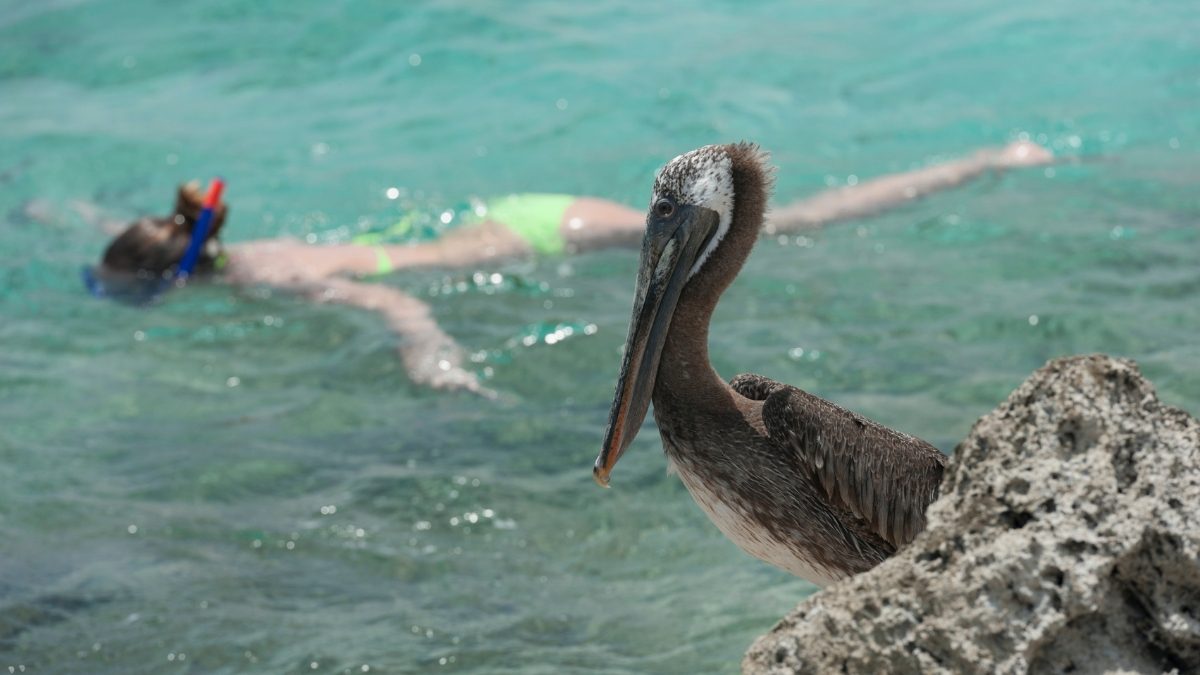
Discover vibrant underwater ecosystems at El Balconcito and Pelican Rock with expert guides
4 hours
Free Cancellation
Sail the Sea of Cortez on a French-made catamaran, snorkel two pristine bays, and enjoy lunch with open bar
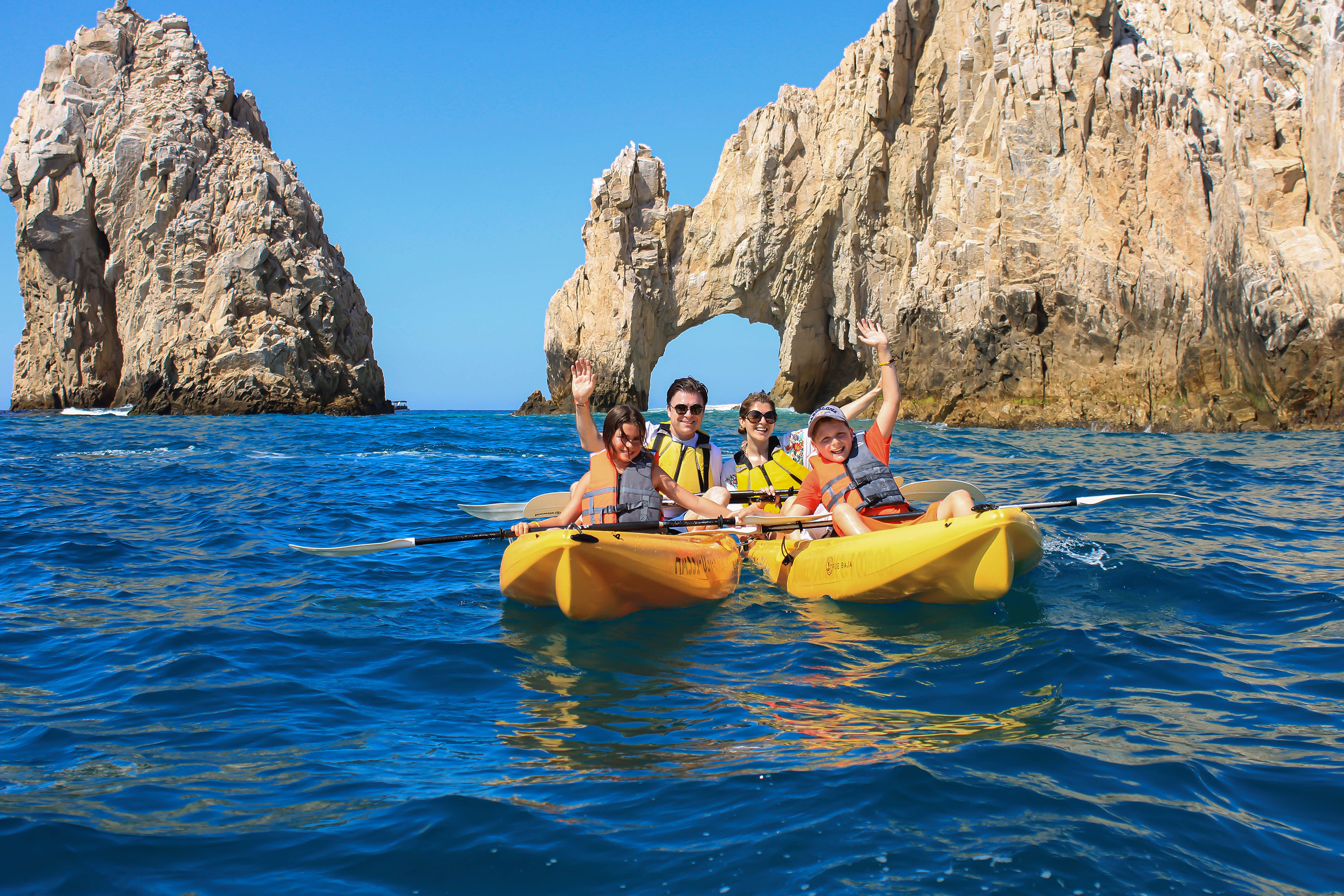
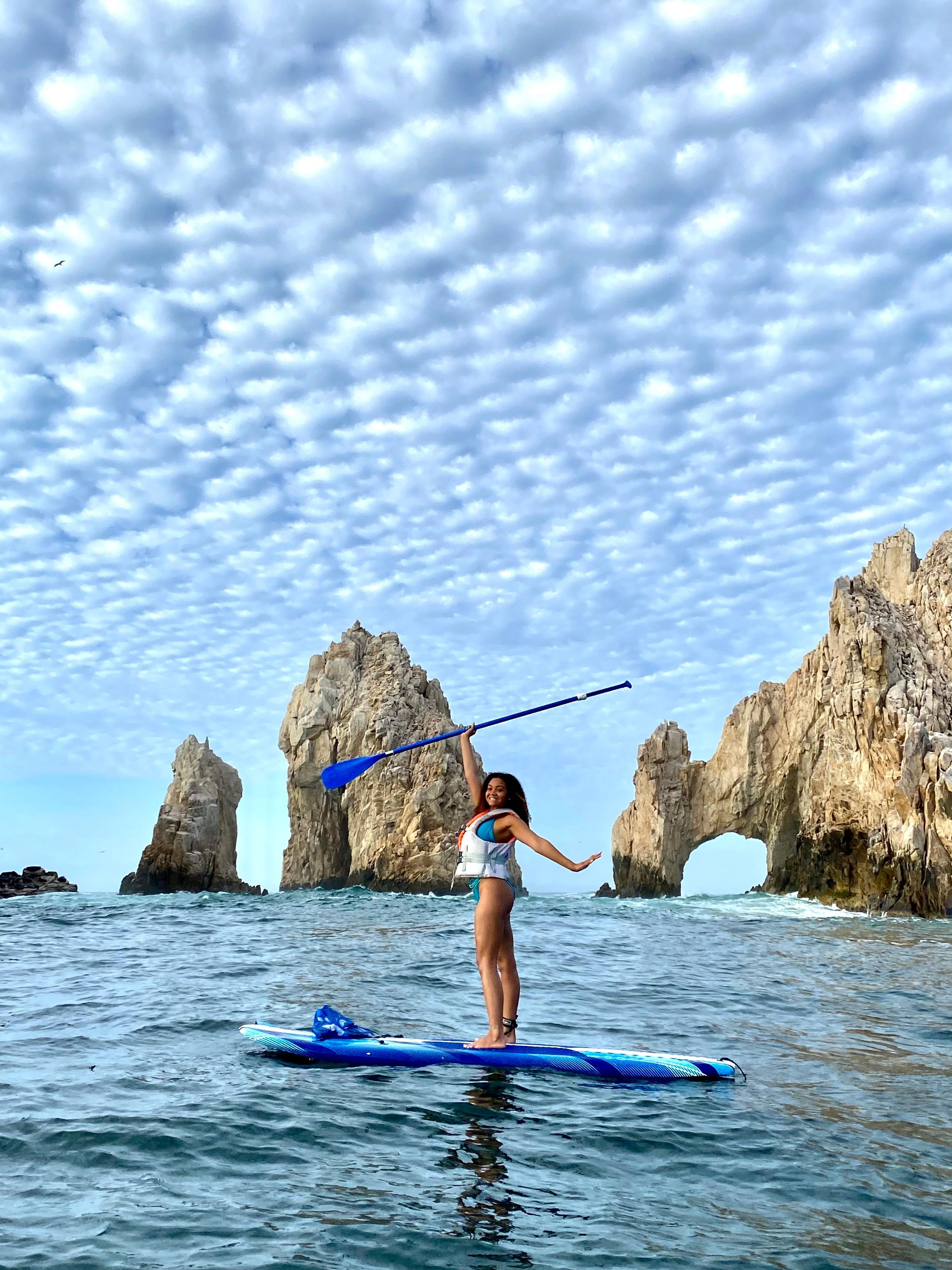
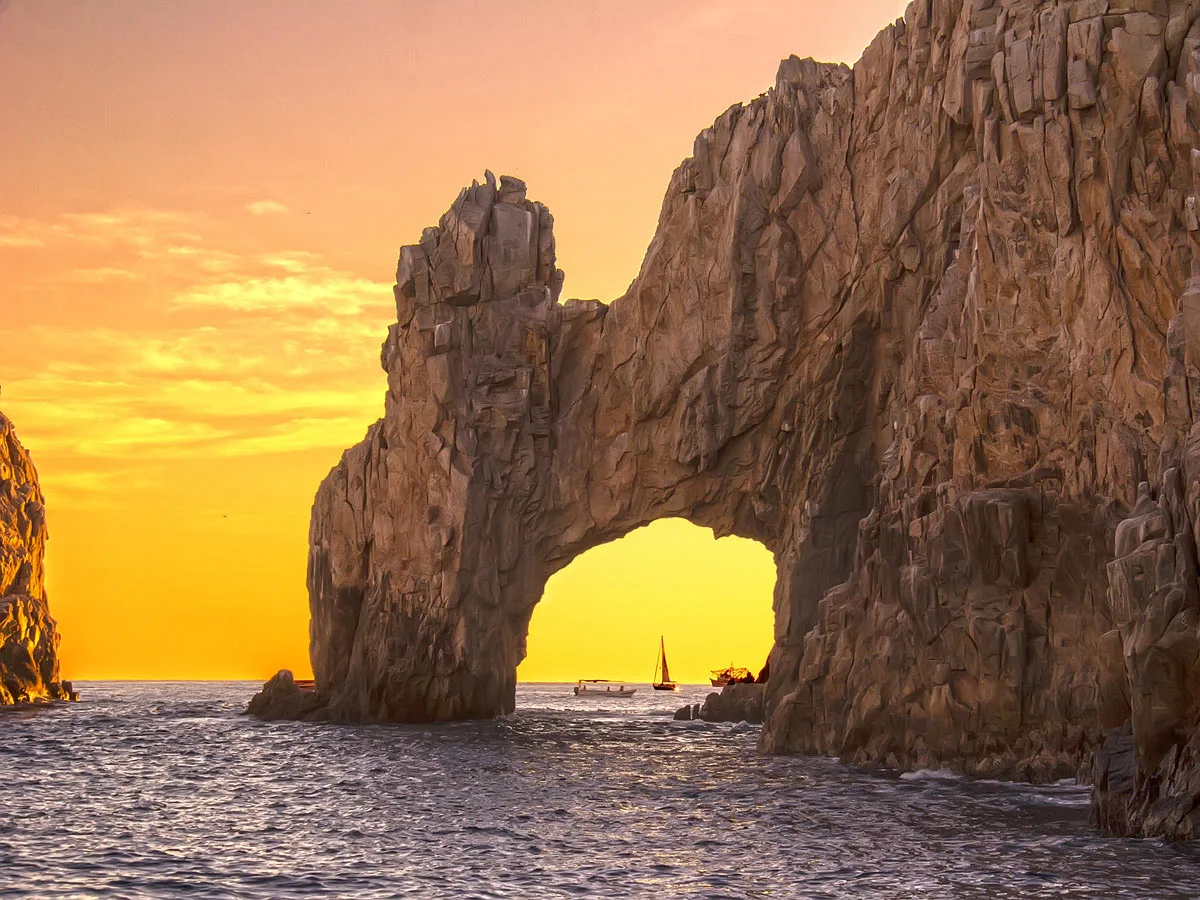
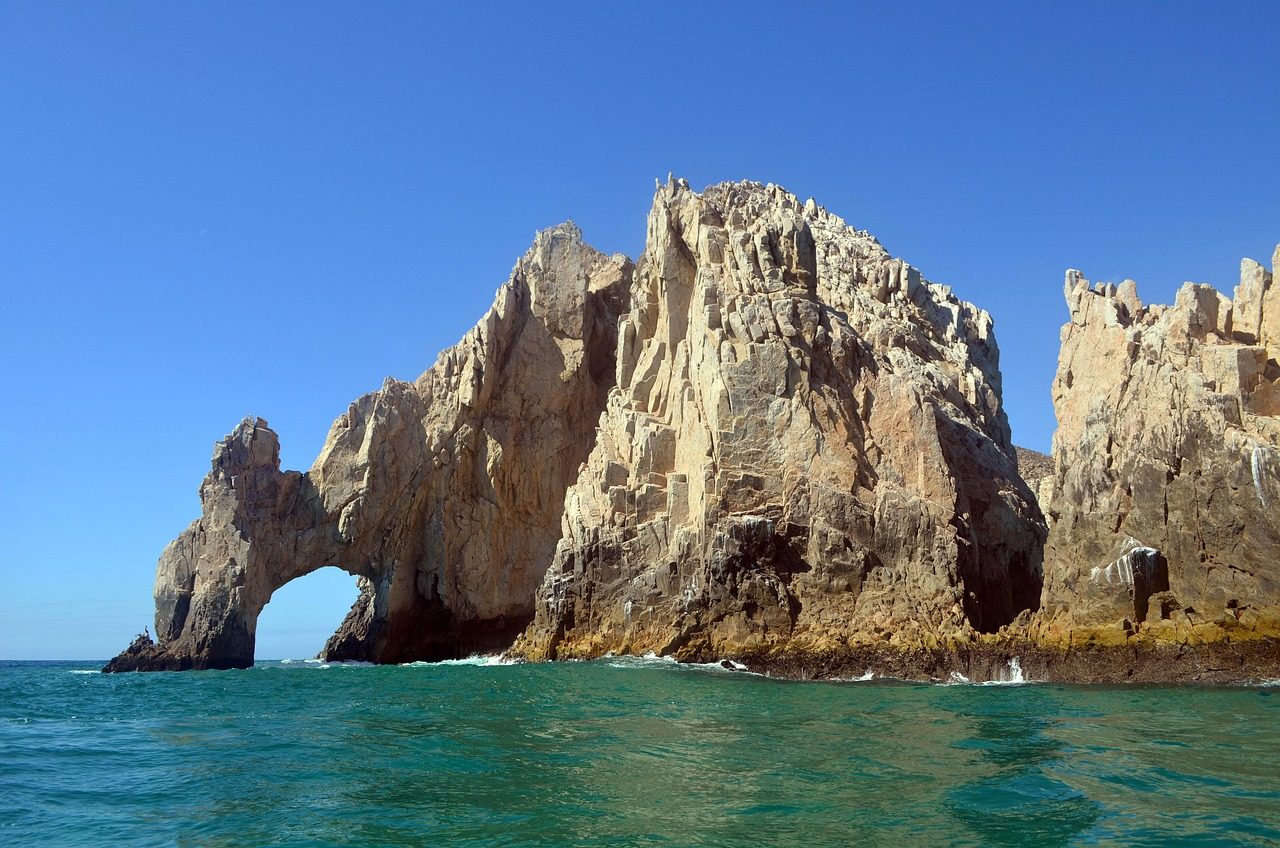
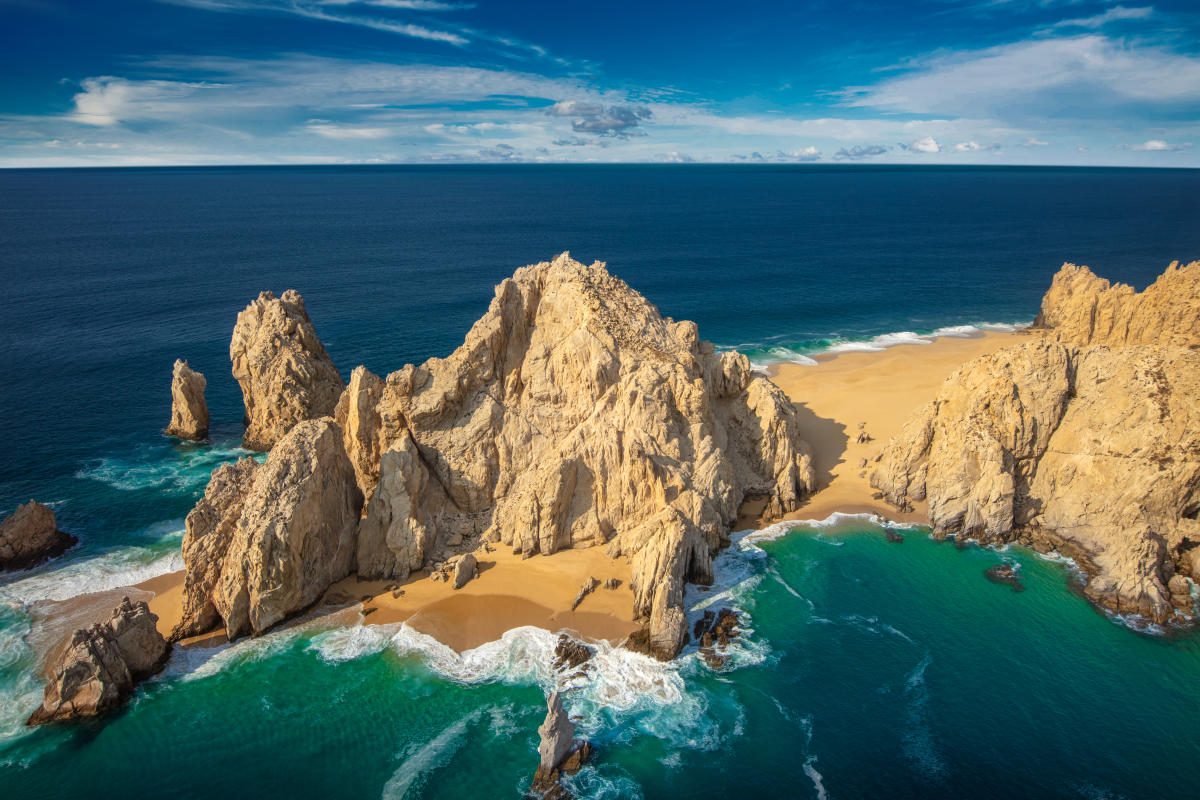
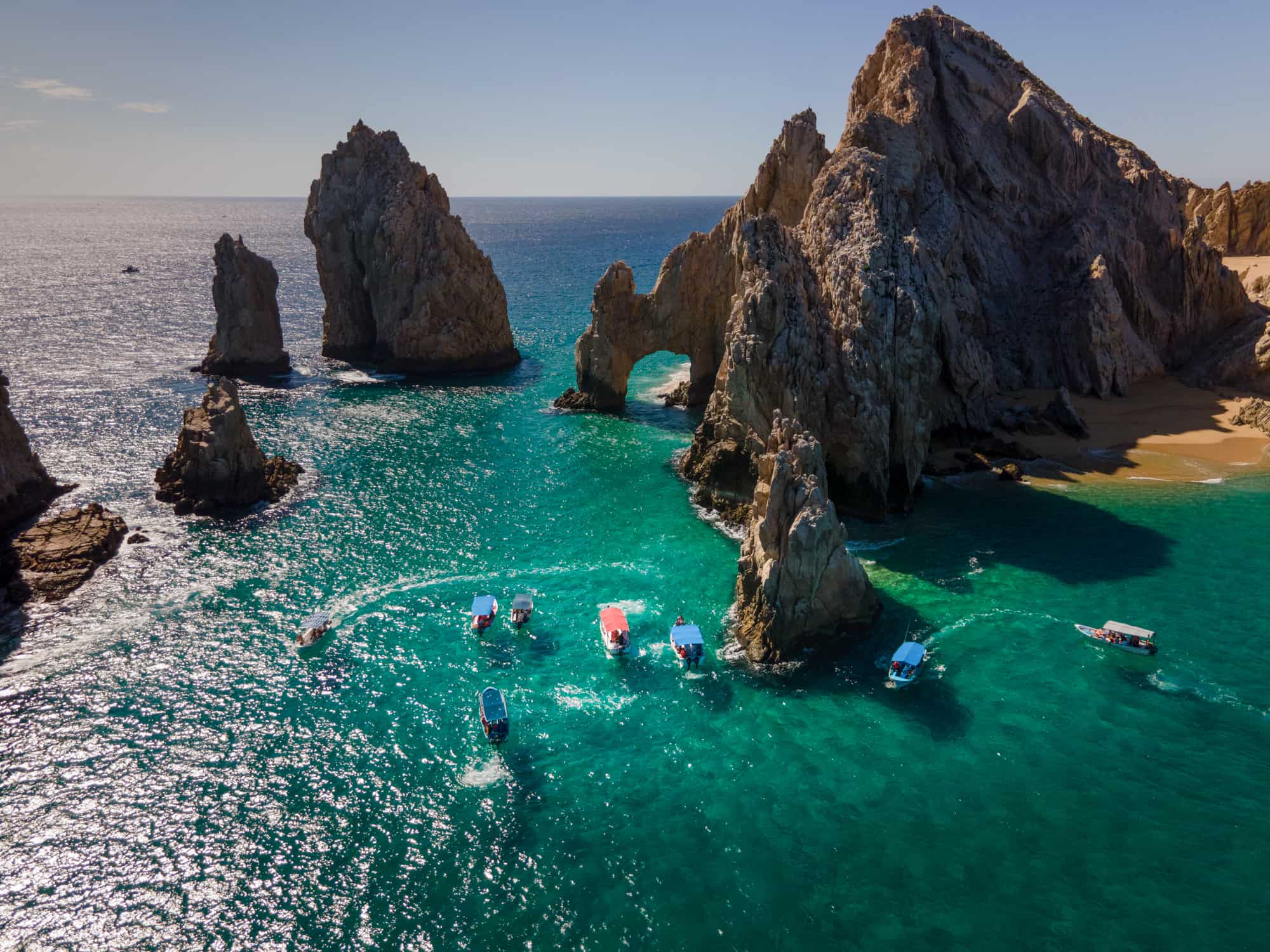
The iconic granite archway serves as a scenic backdrop for nearby marine encounters. It stands about 100 feet above the water level.
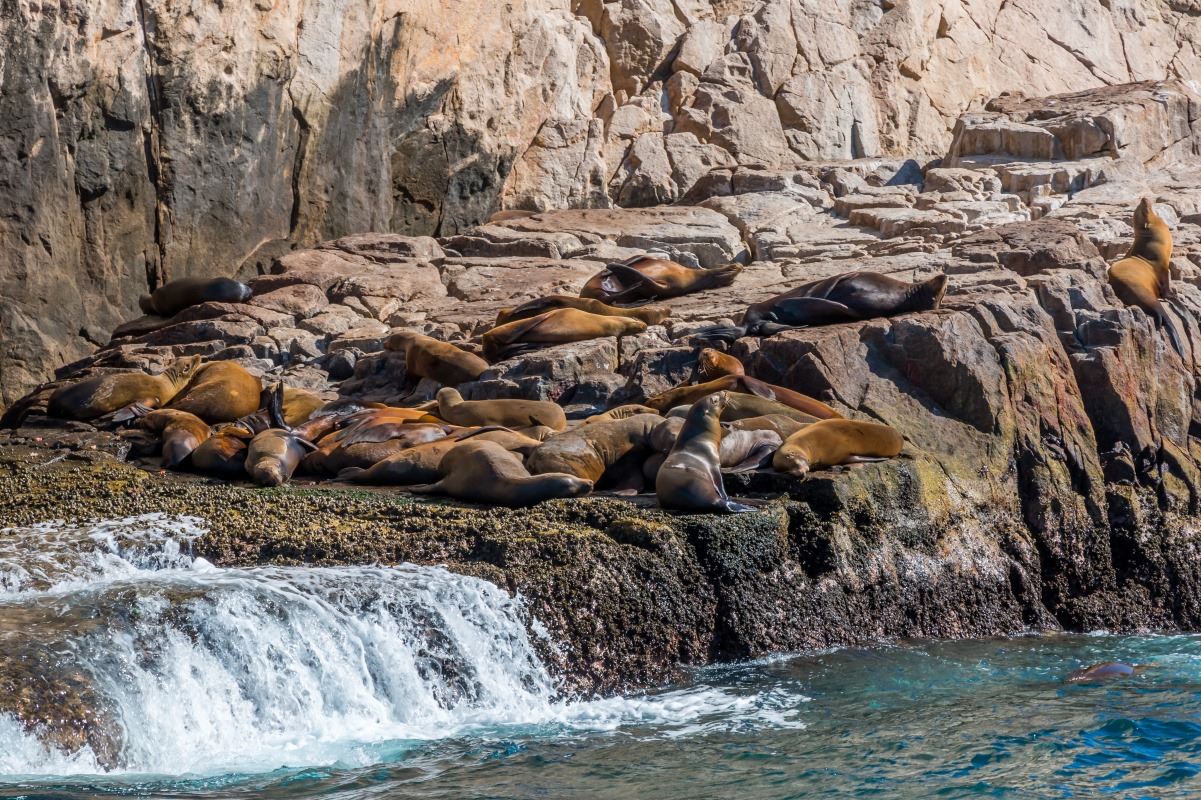
This massive rock formation is a popular habitat for sea lions and diverse fish species. It is accessible primarily by boat.
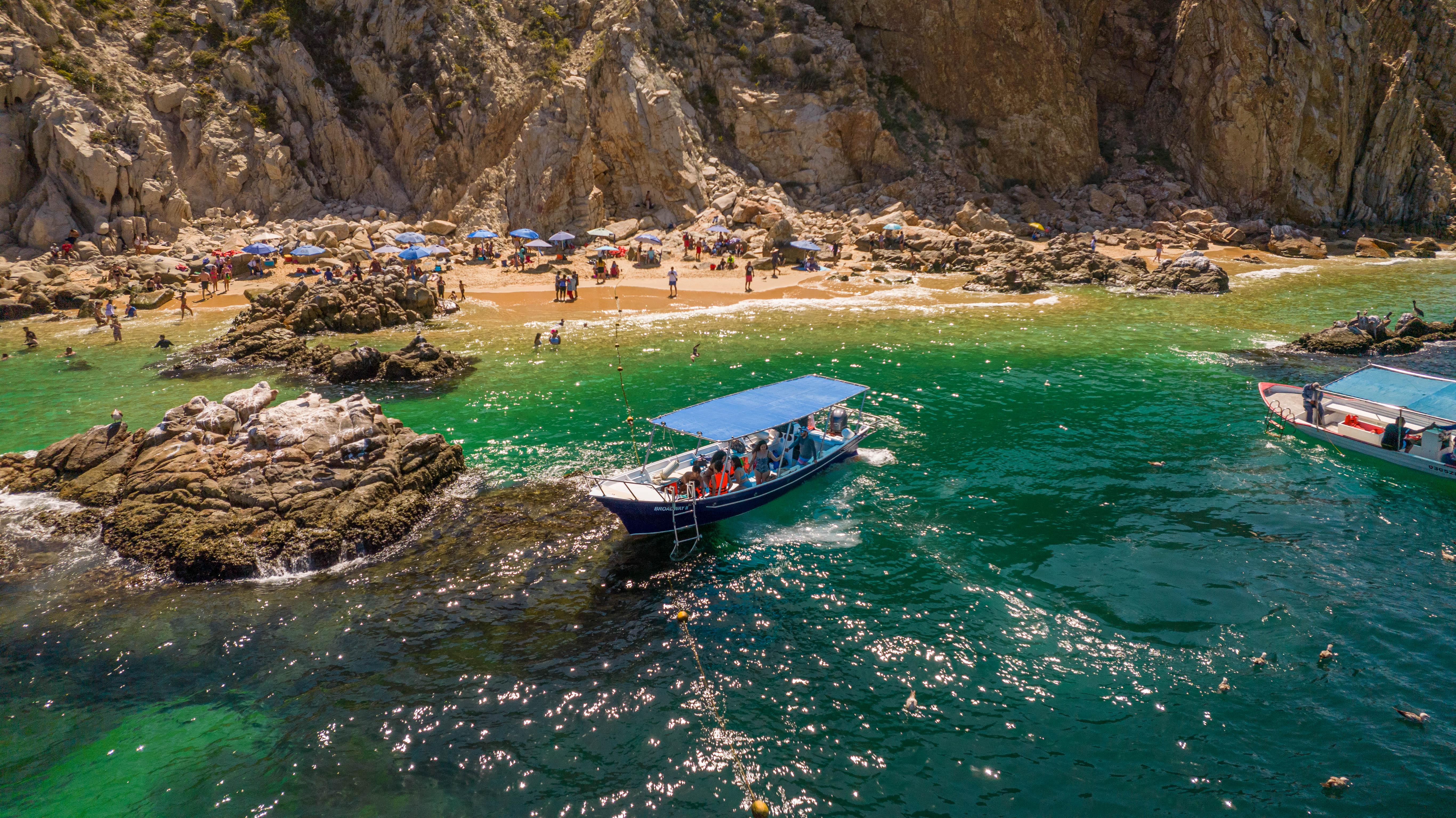
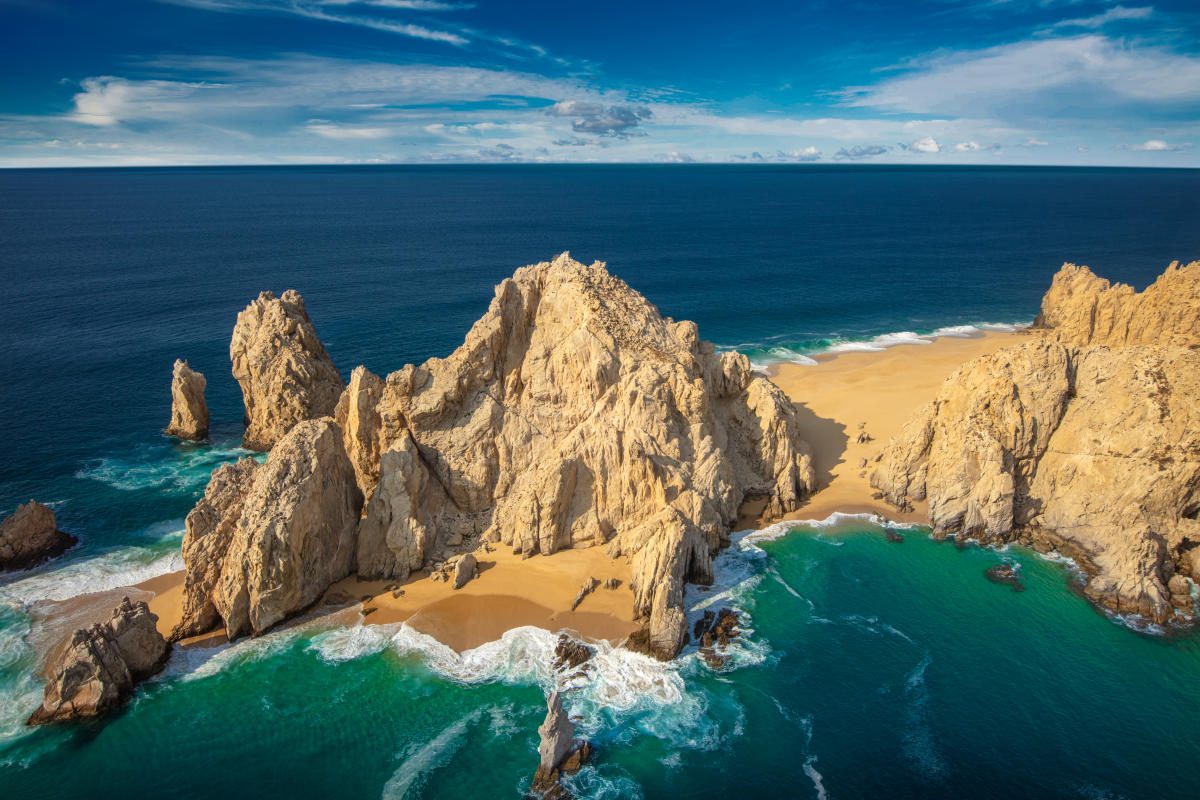
A tranquil, secluded cove located between granite headlands accessible by water taxi. It offers a calm entry point for swimming.
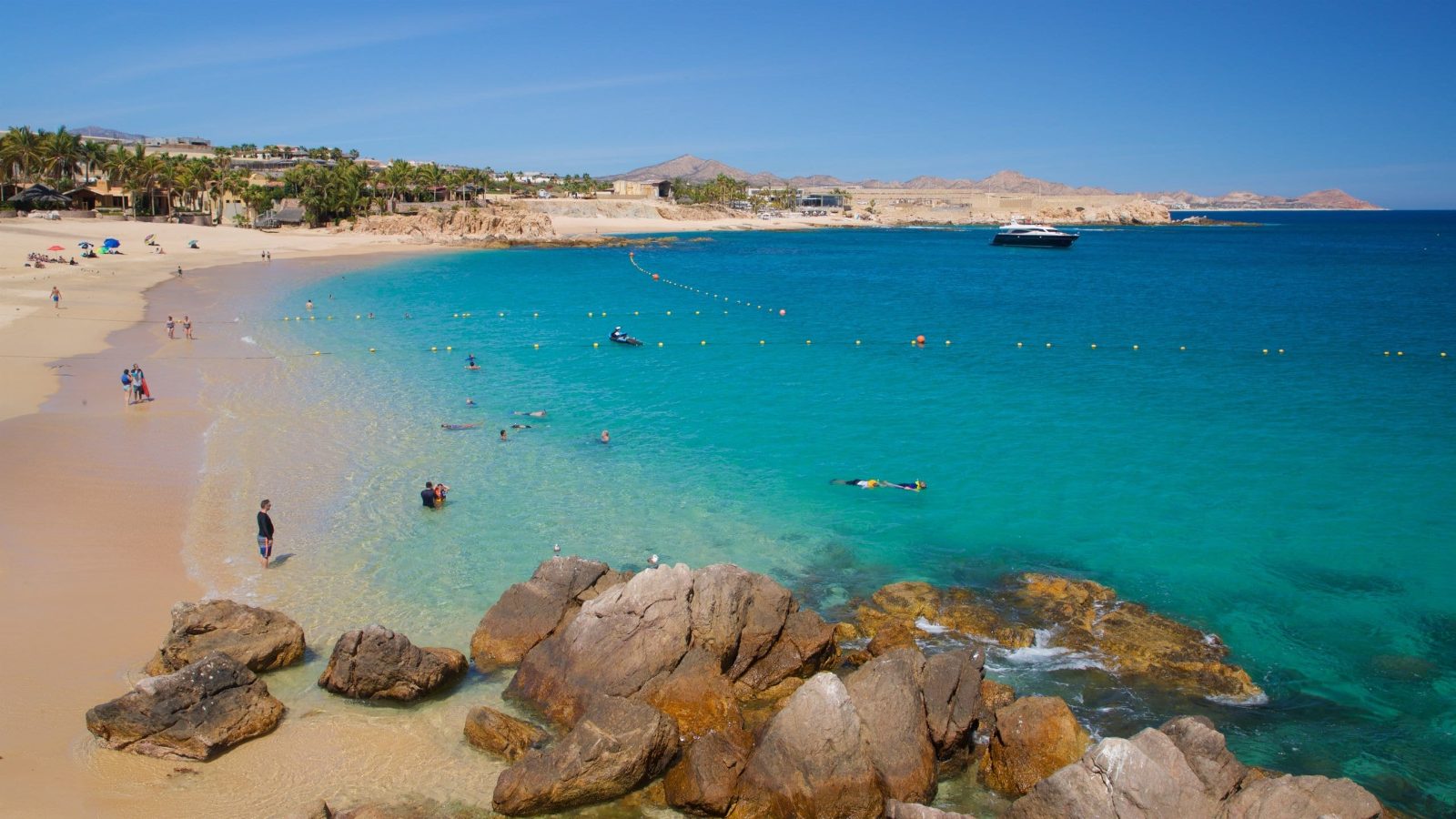
A Blue Flag certified beach known for clear, calm water and extensive reef systems. It is excellent for shore-based snorkeling.
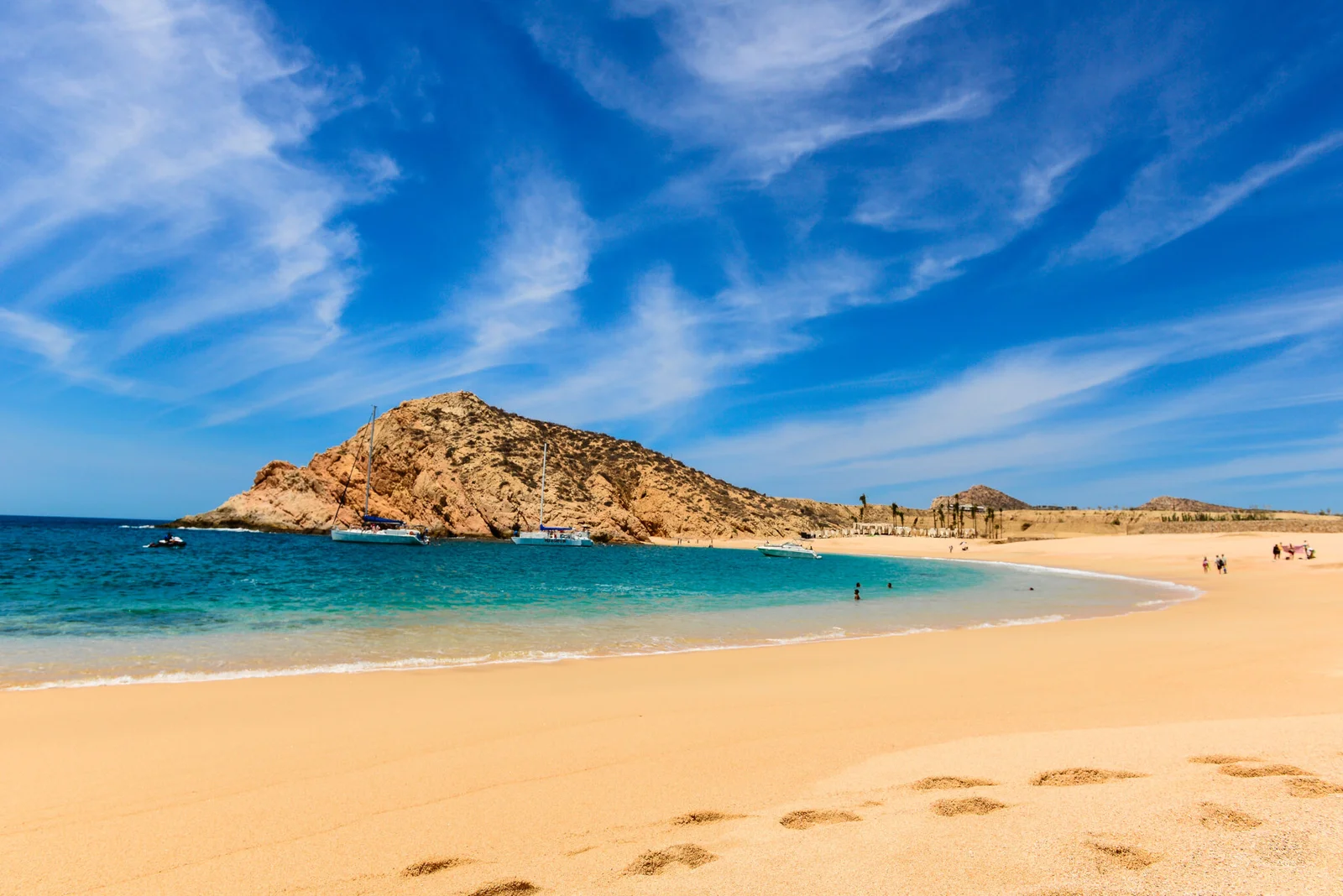
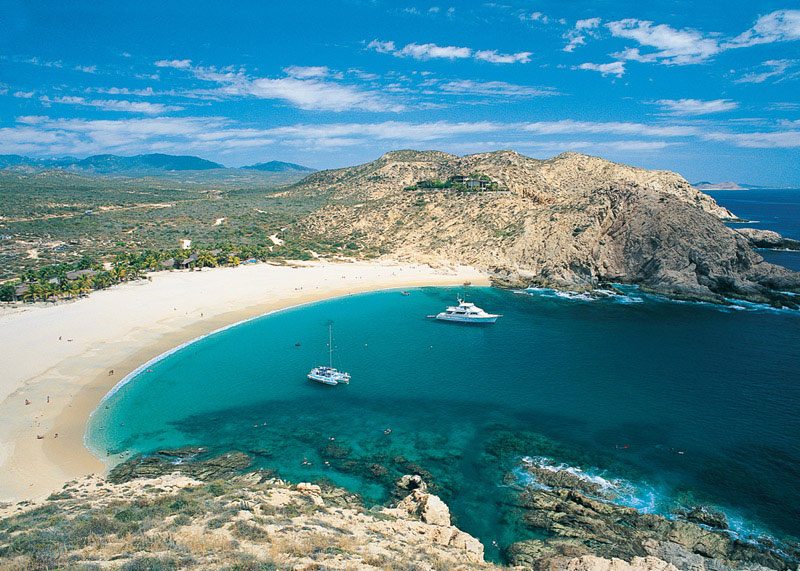
A horseshoe-shaped cove protected by rocky headlands that shield the area from rough currents. This site is a protected marine sanctuary.
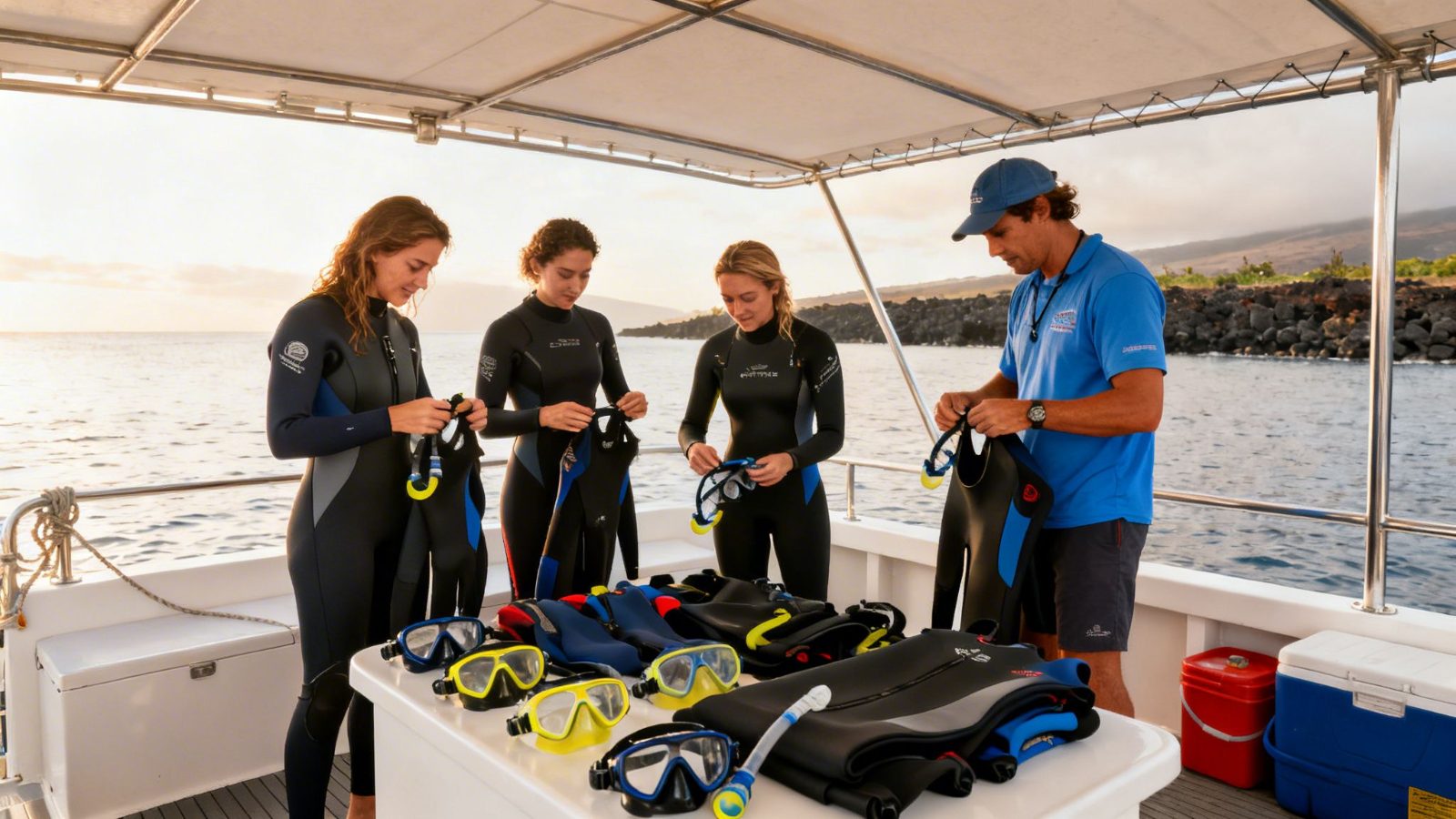
You arrive at the Tourist Corridor launch point as crews load snorkel sets and rash guards onto pangas, the open-hull skiffs that depart every 30 minutes from 7:00 through mid-morning.
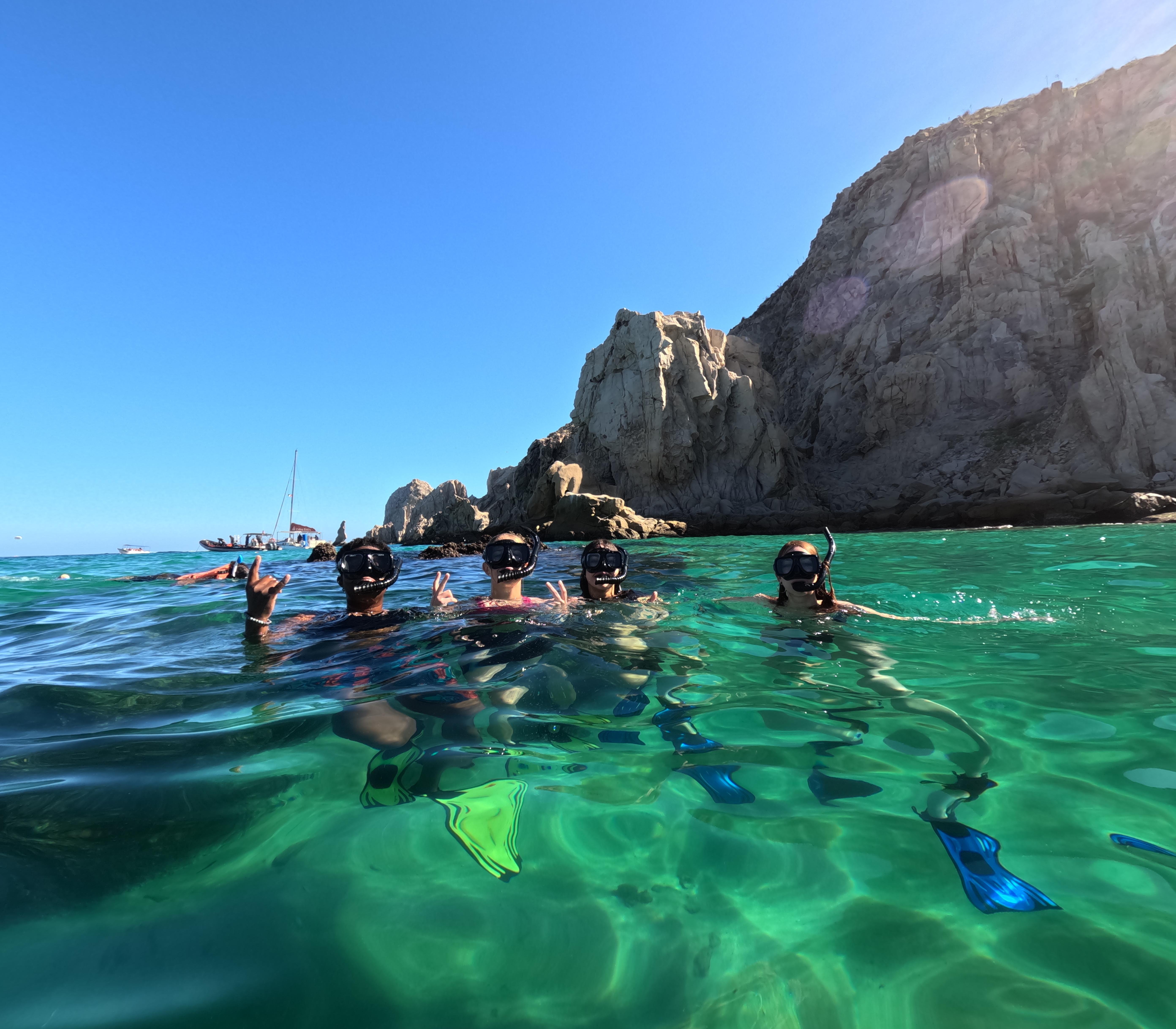
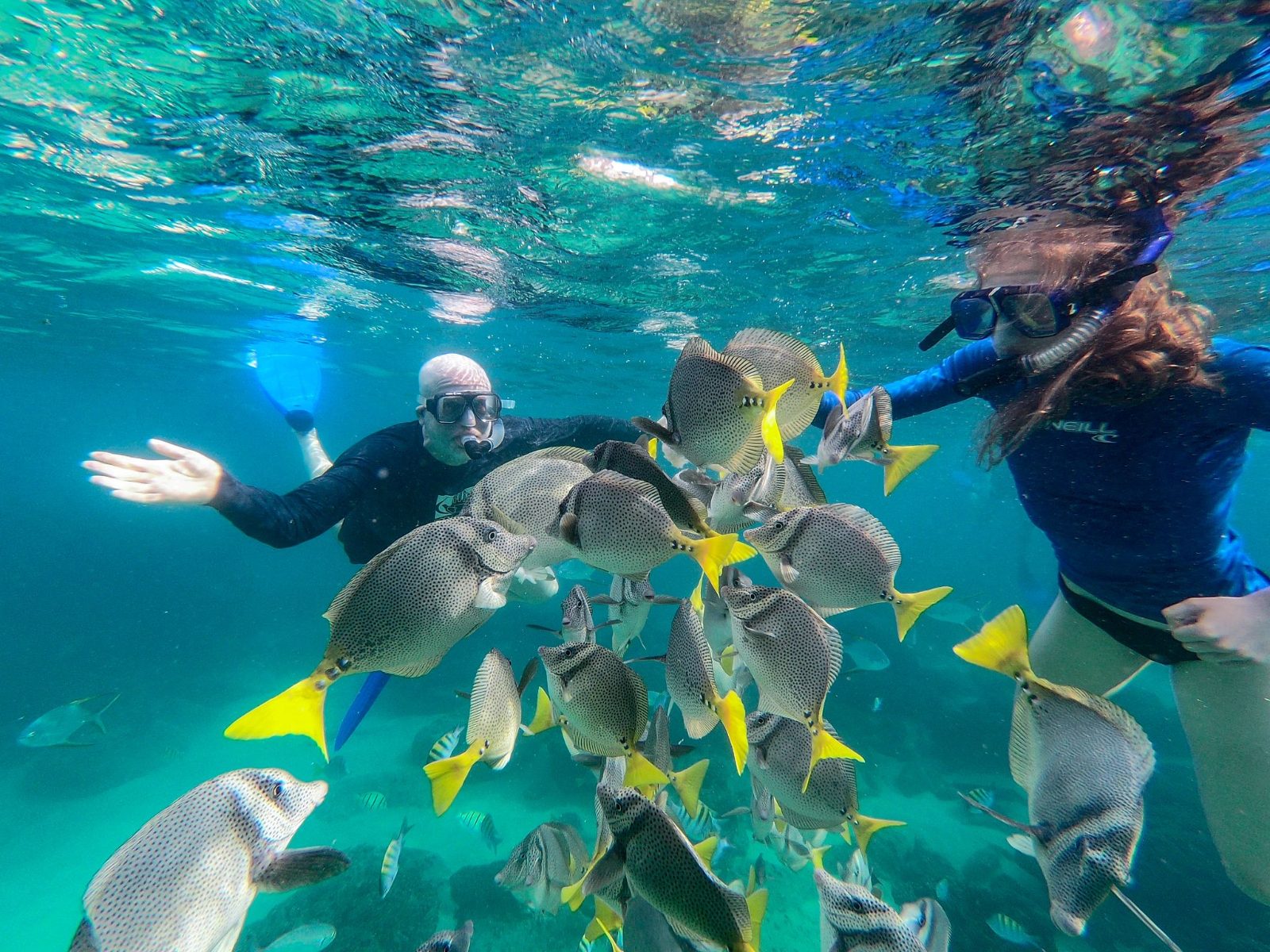
The 12-minute crossing to Pelican Rock passes the granite arch, its sea-lion colony audible before visible, then curves into calmer water where the captain cuts the engine and drops a mooring line. You slip over the gunwale into 24°C water, mask cleared, and kick toward the rock's eastern face where the current sweeps plankton past gorgonian branches. A school of yellow snappers parts around you, reforming within seconds, while a Cortez angelfish noses into a crevice at three meters depth.
You surface, adjust your snorkel, and follow the guide's hand signal toward a sand channel where a Pacific ray the width of a beach towel glides over rippled bottom. The visibility stretches past 20 meters, far enough to see the panga's shadow floating above. Twenty minutes in, you fin back to shallower ledges where sergeant majors defend egg patches against triggerfish, the constant territorial skirmishes creating motion across every square meter of reef. The guide taps his tank and points toward the boat—your 45-minute rotation is complete, and the next group is gearing up.
All the details about your upcoming adventure in one place
Snorkeling in Cabo San Lucas offers access to some of the richest marine ecosystems in the Pacific, with visibility often exceeding 50 feet and water temperatures ranging from 72-84°F year-round. Popular snorkeling in Cabo San Lucas tours depart to Pelican Rock, Chileno Bay, and Santa Maria Cove, where tropical fish, sea lions, and seasonal rays gather around granite formations and coral reefs. Equipment, guided instruction, and boat transport to protected coves are typically included in snorkeling in Cabo San Lucas tour packages.
The Tourist Corridor coastline between San José del Cabo and Cabo San Lucas shelters the only place in North America where the Pacific Ocean meets the Sea of Cortez, creating a nutrient upwelling that sustains more than 800 fish species within a five-kilometer radius.
Jacques Cousteau named these waters "the world's aquarium" after his 1960 expedition documented marlin, manta rays, and whale sharks migrating through the submarine canyons that drop to 2,000 meters just offshore. The convergence zone generates temperature gradients that attract pelagic schools and reef residents simultaneously, a hydrological anomaly that makes snorkeling in Cabo San Lucas viable twelve months a year despite winter swells that close beaches farther north.
Land's End, the granite arch formation marking the peninsula's southernmost point, anchors a 12-hectare marine protected area established in 1973 to preserve kelp forests and rockfish colonies. Pelican Rock, a submerged volcanic pinnacle 200 meters offshore, rises from 25-meter depths to within three meters of the surface, its ridges colonized by gorgonian fans and schooling surgeonfish. The Site 4 dive site on the corridor's eastern shore protects a sand-channel ecosystem where Pacific angel sharks bury themselves at dawn. Snorkeling in Cabo San Lucas reviews consistently cite these three zones for visibility exceeding 20 meters during May through November, when the thermocline stabilizes and plankton blooms subside.
Commercial reef access began in 1982 when sport-fishing fleets added snorkel stops to marlin charters, but regulatory pressure from CONANP, Mexico's national park authority, restricted motorized traffic within the arch zone by 1995. Today's snorkeling tours in Cabo San Lucas operate under a permit system that caps daily vessel counts at 40 and mandates no-anchor moorings to prevent coral abrasion. Shore-entry sites along Medano Beach and Chileno Bay remain open to independent swimmers, with gear rental kiosks operating under municipal oversight. Water temperatures range from 21°C in February to 29°C in September, warm enough to eliminate wetsuit requirements outside winter months. Divers exploring deeper walls report hammerhead aggregations near Gordo Banks, 13 kilometers offshore, though those sites require boat transport and advanced certification.
The corridor's geological stability—Baja California Sur experiences fewer than two significant seismic events per decade—preserves underwater topography that has remained largely unchanged since surveys began in 1967. Reef health assessments conducted by Universidad Autónoma de Baja California Sur in 2024 recorded 73 percent live coral cover at monitored sites, a figure that places Cabo among the healthiest temperate reefs in the eastern Pacific. Dive operators report increased sightings of green sea turtles since 2018, correlating with federal nesting-beach protections enacted three years prior.
Jacques Cousteau named these waters the world's aquarium after documenting marlin, manta rays, and whale sharks migrating through submarine canyons that drop to 2,000 meters just offshore.
Wear comfortable swimwear and a rash guard for sun protection. Water shoes are recommended for rocky shore entries at local snorkeling in cabo san lucas spots.
Keep valuables in a secure waterproof bag or leave them at your accommodation. Public beaches for snorkeling in cabo san lucas do not provide lockers.
Use waterproof cameras or housing to capture marine life. Respect wildlife by maintaining distance when snorkeling in cabo san lucas.
The Sea of Cortez side is generally calm and suitable for families. Always supervise children closely when snorkeling in cabo san lucas.
Public beaches along the Tourist Corridor have varying accessibility levels. Some spots require walking over sand and rocks to reach the water for snorkeling in cabo san lucas.
Bring sufficient water and snacks as amenities are limited on some beaches. Do not leave trash on the sand after snorkeling in cabo san lucas.
Opening Hours
00:00–23:59
Address
Tourist Corridor, Cabo San Lucas, Baja California Sur, Mexico
Public Access
Free entry to public beach
Best Window
07:00–10:30
Storage
Not available at public beaches
Navigation
Use Tourist Corridor highway access
Many operators allow free cancellation if requested at least 24 hours in advance. Federal protected-area fees of 125 pesos (approximately 7 USD) are typically non-refundable.
Recommended time
3-4 hours
To fully experience snorkeling in cabo san lucas, plan for a half-day outing to allow enough time to explore the vibrant marine life and coral reefs near the shoreline. Arriving during the best arrival window of 07:00–10:30 helps you secure a prime spot on the sand before the afternoon peak. While most snorkeling in cabo san lucas tours bring groups later in the day, early visitors find clearer water and calmer currents. Consider booking professional snorkeling in cabo san lucas tickets if you prefer guided reef exploration or require equipment rentals.
Crowd levels through the day
Stand at the edge of your watercraft or paddleboard to capture the iconic granite formation rising from the sea, perfect for framing marine life shots. This remains the most popular destination for snorkeling in cabo san lucas, offering clear views of tropical fish around the base.
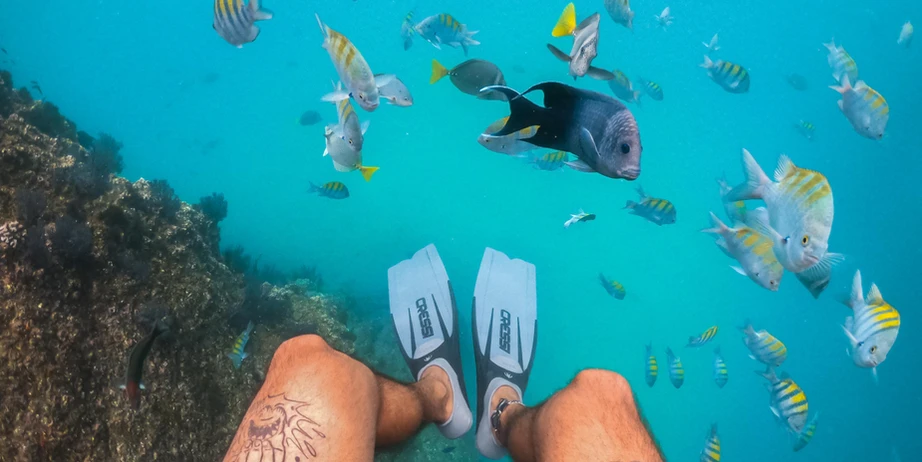
Position yourself near the base of this massive rock formation where schools of sergeant major fish congregate for high-contrast underwater compositions. It is a common stop for various snorkeling in cabo san lucas tours seeking vibrant sea life.
Capture the meeting point of the Sea of Cortez and the Pacific Ocean from the shoreline, ensuring the rock textures are in focus. Visitors often purchase snorkeling in cabo san lucas tickets for water taxis to access this secluded cove.
Utilize the natural horseshoe-shaped cove to photograph calm, turquoise waters and the surrounding volcanic cliffs. This spot is a local favorite for those booking a snorkeling in cabo san lucas tour.
Planning a trip with children requires careful preparation to ensure everyone enjoys snorkeling in cabo san lucas safely. Many coastal areas feature calm, shallow entry points perfect for young swimmers to observe marine life.
The sandy terrain makes traditional strollers difficult to maneuver near the water line, so a beach wagon or sturdy carrier is recommended for your snorkeling in cabo san lucas tours.
Always fit children with high-visibility life vests, as currents can change unexpectedly even in areas popular for a snorkeling in cabo san lucas tour.
Numerous vendors operate along the beach offering junior-sized masks and fins, but bringing your own familiar equipment often leads to a better experience when buying snorkeling in cabo san lucas tickets.
Public restrooms and changing stations are limited along the Tourist Corridor, Cabo San Lucas, Baja California Sur, Mexico, so plan for basic facilities before arriving.
The best approach is to maximize the 07:00–10:30 arrival window to secure a quiet spot on the sand before the midday sun and boat crowds peak.
Finding quality meals while snorkeling in cabo san lucas is straightforward due to the concentration of beachfront venues along the Tourist Corridor. While many visitors prefer to pack snacks for snorkeling in cabo san lucas tours, several established restaurants offer convenient dining within a short walk of the primary entry points.
A premier destination for upscale dining with elevated coastal views, perfect for a relaxed meal after participating in a snorkeling in cabo san lucas tour. It is recommended to secure reservations well in advance for sunset seating.;Manta at The Cape
Real experiences from real travelers
The visibility at Chileno Bay was exceptional. We saw parrotfish, angelfish, and even a sea turtle during our morning session. Water temperature in August was comfortable without a wetsuit.
Calm protected bay made this ideal for my first time. The rock formations create natural channels where fish gather. Our guide pointed out a moray eel hiding in the reef.
Snorkeling in cabo san lucas exceeded expectations. The sea lions were curious and playful, swimming within arm's reach. The granite cliffs dropping into deep blue water created a dramatic backdrop.
Santa Maria Cove offered decent variety though the coral showed some bleaching. Saw several species of tropical fish and the water clarity allowed visibility of about 50 feet. Arrived early to avoid afternoon crowds.
The boat ride to Playa del Amor provided views of El Arco before entering the water. Rocky bottom requires water shoes but the fish life around the formations made it worthwhile. Morning light was ideal for underwater visibility.
Our cabo san lucas snorkel tours guide knew exactly where to find marine life. We explored three different sites in four hours. Equipment was modern and well-maintained. The September conditions were perfect with calm seas.
Protected bays along the corridor between Cabo and San José del Cabo offer gentle conditions. Water depth at Santa Maria stays shallow near shore, allowing nervous swimmers to build confidence before venturing to deeper sections.
The volcanic rock formations continue below the surface, creating caves and overhangs where larger fish shelter. Saw several pufferfish and a school of jack crevalle. Water temperature in July hovered around 80 degrees.
The Sea of Cortez biodiversity surprised me. Every rock seemed to host different species. Our guide explained the protected marine park status helps maintain healthy populations. Snorkeling in cabo san lucas tours should be on every itinerary.
Chileno Bay gets crowded by midday but the fish don't seem bothered. Rental equipment available at the beach though bringing your own ensures better fit. The northern end of the bay has the best coral coverage.
Everything you need to know for your journey
Entrance to public beaches is 0 USD (Free entry to public beach).
We recommend the 07:00–10:30 window for snorkeling in cabo san lucas to avoid crowds.
Yes, sheltered bays provide safe conditions for kids when snorkeling in cabo san lucas.
Yes, tours often include a 125-peso (approx. 7 USD) federal park fee when snorkeling in cabo san lucas.
Yes, you can secure snorkeling in cabo san lucas tickets through local tour operators.
Bring biodegradable sunscreen and gear for snorkeling in cabo san lucas.
Water temperatures are comfortable, especially during the summer and autumn months for snorkeling in cabo san lucas.
Guided snorkeling in cabo san lucas tours are recommended for boat-only access sites like Pelican Rock.
Public beaches are generally open 00:00–23:59 daily for snorkeling in cabo san lucas.
Join thousands of happy travelers who have discovered this incredible experience
Book Your Experience Now