
Quick answer
Yes, snorkeling in Cabo San Lucas is generally safe during calm-water windows, typically between 8:00 and 11:00 AM before afternoon winds increase wave action. The Cabo San Lucas Marine Park maintains designated snorkel zones with lifeguard oversight during peak season, and water visibility averages 15-25 meters in protected bays. Hazards are manageable: strong swimmers handle mild currents near rock formations, while jellyfish presence peaks August through October and requires awareness rather than avoidance.
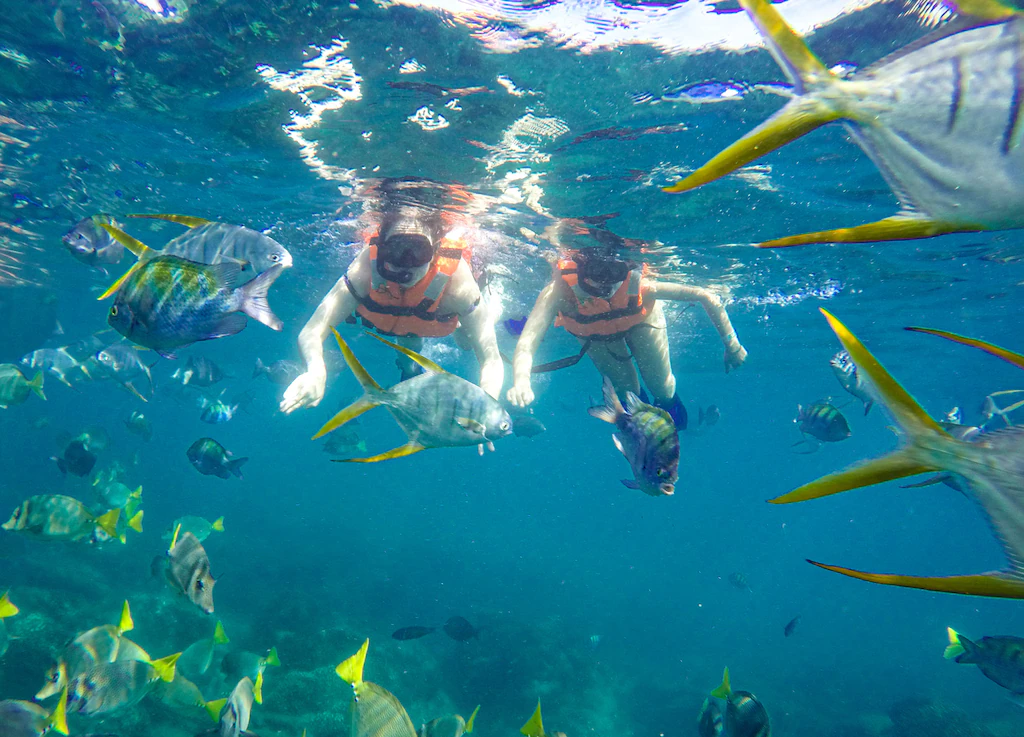
The Sea of Cortez earned Jacques Cousteau's designation as the world's aquarium not for tranquility but for biodiversity density—over 800 fish species and 2,000 invertebrate species inhabit these waters, creating both the region's appeal and its variable risk profile. Snorkeling safety in Cabo hinges less on inherent danger than on matching your swim level to daily ocean behavior, which shifts between mirror-calm mornings and churned afternoon surfaces as reliably as the tides. Whether it's safe to snorkel in Cabo San Lucas on any given day depends on three factors: sea state, your swimming competence, and site selection. Pelican Rock and Santa Maria Bay represent opposite ends of the difficulty spectrum—the former demands confident ocean swimming and features surge channels between granite formations, while the latter offers sandy-bottom shallows where beginners float above sergeant majors and parrotfish in water rarely deeper than four meters. Experienced snorkelers handle the mild currents around Land's End rock arches; novices stay inside the bay perimeter where wave action dissipates against the shore. Marine life contact risk centers on passive encounters rather than predatory behavior. Sea lions approach snorkelers with curiosity, not aggression, though males defending breeding territories between June and August may posture aggressively if you drift too close to haul-out rocks. Stingrays rest in sandy patches; the shuffle-step entry prevents accidental contact. Jellyfish blooms follow plankton concentrations, with the highest likelihood from late summer into early fall when water temperatures peak above 28°C. None of these species hunt humans, but all respond to proximity and sudden movement. Water clarity governs both safety and experience quality. Morning light penetrates the water column before wind-driven particulate matter clouds the upper layers, giving snorkelers 20-meter sightlines to spot rock formations, marine life, and other swimmers. By early afternoon, reduced visibility compresses that range to 10 meters or less, turning navigation more difficult and increasing the chance of disorientation near offshore formations. The safest Cabo snorkeling happens when you can see the bottom, your exit point, and approaching swells simultaneously—a condition that belongs almost exclusively to the morning hours the marine park highlights in its visitor guidance.
“Morning light penetrates the water column before wind-driven particulate matter clouds the upper layers, giving snorkelers 20-meter sightlines to spot rock formations, marine life, and other swimmers.”
When Is It Safe To Snorkel In Cabo San Lucas: Timing For Calm Waters
The safest window for snorkeling in Cabo San Lucas is the best arrival window of 08:00–11:00. During these hours, water conditions are at their calmest and visibility remains highest before afternoon winds develop.
June to October
Moderate crowdsWarm water, 78–82°F
Calm mornings allow for optimal snorkeling conditions.
November to May
High crowdsCooler water, 70–75°F
Stronger afternoon winds make early arrivals essential.
Weekday mornings
Low crowds—
Minimal boat traffic reduces safety risks in the water.
Weekend mornings
High crowds—
Increased water activity requires extra vigilance in the park.
Verdict: The concrete best slot for safety and visibility is weekday mornings between 08:00–11:00 during the months of June or October.
Common Mistakes To Avoid To Keep Snorkeling In Cabo San Lucas Safe
Snorkeling in Cabo San Lucas is generally safe, but visitors often make preventable errors that increase risk. These mistakes typically involve misjudging ocean conditions or ignoring basic water-safety protocols.
Snorkeling without a flotation device in open water
Always wear a flotation vest or use a snorkel buoy, even if you're a strong swimmer. Currents in the Sea of Cortez can be stronger than they appear from shore.
Entering the water during high wind or large swells
Check marine forecasts before going out and avoid snorkeling when wave height exceeds one meter or when whitecaps are visible. If conditions deteriorate while you're in the water, exit immediately.
Swimming too close to active boat channels near the marina
Stay at least 100 meters away from marked boat lanes and always snorkel with a brightly colored surface buoy so vessels can see you. The Cabo San Lucas Marina sees heavy traffic throughout the day.
Ignoring signs of dehydration or sun exposure while in the water
Apply reef-safe sunscreen 30 minutes before entering, wear a rash guard for UV protection, and hydrate before and after your session. Dehydration impairs judgment and increases the risk of cramping.
Snorkeling alone without a buddy or guide
Always snorkel with at least one other person and establish a signal system before entering the water. Solo snorkelers have no backup if they experience equipment failure or fatigue.
Rules For Is It Safe To Snorkel In Cabo San Lucas
Cabo's marine park enforces conduct rules to protect both snorkelers and the reef ecosystem. Following boat protocol and no-touch policies keeps the experience safe for everyone.
Do
- Stay at least 15 meters from boat propellers and moorings
- Signal surface crews with raised arms if current pulls you
- Keep snorkel gear secured to avoid dropping plastic in protected zones
- Maintain neutral buoyancy to prevent accidental coral contact
- Exit water immediately if jellyfish blooms appear nearshore
Don't
- Touch, chase, or feed sea lions—they bite when cornered
- Snorkel alone in areas without visible boat traffic or shore access
- Ignore red flags or lifeguard warnings about surge conditions
- Stand on or grab coral formations to rest or adjust equipment
- Wear sunscreen with oxybenzone near reef zones—it damages polyps
Is It Safe To Snorkel In Cabo San Lucas And What Do Official Fees Include
Access to the public waters of the Cabo San Lucas Marine Park is free of charge. Costs only apply when utilizing commercial boat tours for guided access and equipment.
Visitors pay 0 MXN for entry, though professional boat tours involve additional costs based on the provider and services selected.
Daily Hours To Keep In Mind When Determining Is It Safe To Snorkel In Cabo San Lucas
The Cabo San Lucas Marine Park operates daily. Adhering to these hours is important for safety, as conditions often change throughout the day.
| Monday | 07:00–18:00 | |
|---|---|---|
| Tuesday | 07:00–18:00 | |
| Wednesday | 07:00–18:00 | |
| Thursday | 07:00–18:00 | |
| Friday | 07:00–18:00 | |
| Saturday | 07:00–18:00 | |
| Sunday | 07:00–18:00 |
Preparation Checklist For Is It Safe To Snorkel In Cabo San Lucas
Prepare these essentials before your snorkeling excursion to ensure a safe and comfortable experience.
-
Book a guided tour if you're a beginner — Local operators know current conditions and safe entry points.
-
Confirm your swimming ability and comfort in open water — Cabo waters can have strong currents and wave action near shore.
-
Pack reef-safe sunscreen (oxybenzone-free) — Chemical sunscreens damage the marine ecosystem you'll be exploring.
-
Bring or rent a properly fitted mask and snorkel — Ill-fitting gear causes leaks, fogging, and unnecessary stress in the water.
-
Check weather and marine forecasts the day before — Afternoon winds and swells reduce visibility and increase difficulty.
-
Carry proof of travel insurance with water activity coverage — Medical evacuation from remote snorkel sites is expensive and often necessary.
-
Arrange transportation to your launch point by 08:00 — Optimal conditions occur in the morning before winds intensify.
Check availability
Frequently Asked Questions: Is It Safe to Snorkel in Cabo San Lucas
Everything you need to know about is it safe to snorkel in cabo san lucas