
Quick answer
The best snorkeling in Cabo San Lucas centers on three protected sites: Lover's Beach at Land's End, Chileno Bay, and Santa Maria Bay. All three offer free beach access, with optimal visibility between 7:00 and 11:00 AM before boat tour traffic stirs sediment. Chileno Bay provides the calmest entry and healthiest hard coral, while Lover's Beach delivers the highest fish density near the arch formations.
Cabo San Lucas holds one of the few reef systems in Baja California Sur that remains accessible from shore rather than requiring a boat charter. The Tourist Corridor coastline exposes a series of rocky points and sheltered coves where cold Pacific upwellings collide with the warmer Sea of Cortez, sustaining hard coral gardens, surge channels, and resident schools of sergeant majors, king angelfish, and Cortez damselfish. Chileno Bay anchors the northern end of the snorkeling corridor. The beach curves into a shallow sand shelf before dropping to a boulder field at twelve feet, where branching coral heads cluster along the western edge. Parrotfish and trumpetfish move through the structure during morning hours. Santa Maria Bay, two kilometers south, narrows into a protected inlet with submerged rock fingers extending perpendicular to shore. Visibility here averages fifteen to twenty meters on calm mornings, and the site reliably holds pufferfish, juvenile yellowtail, and occasional rays over the sand channels between rock formations. Lover's Beach sits beneath the granite arch at Land's End, where the Pacific meets the Sea of Cortez in a visible current line. The site requires a water taxi from the marina, but the convergence zone concentrates baitfish, which in turn draws larger predators—jacks, needlefish, and seasonal dorado. The underwater terrain consists of volcanic boulders stacked in swim-throughs and overhangs, with sponges and gorgonians attached to vertical faces. Water temperature fluctuates sharply depending on which current dominates; Pacific surges can drop it to eighteen degrees Celsius even in summer. All three sites share a narrow morning window. By mid-day, tour pangas and glass-bottom boats circle the shallows, kicking up sediment and displacing schools into deeper water. The best snorkeling in Cabo San Lucas happens in the first four hours after sunrise, when the water column is still and the fish are feeding along the reef edges. Entry is free at every public beach; no permits or entrance fees apply.
“The convergence of two oceans creates a nutrient corridor that sustains coral structure rare elsewhere in Baja California Sur.”
The Best Time for Snorkeling in Cabo San Lucas
The best arrival window for snorkeling in Cabo San Lucas is 07:00–11:00, which provides optimal water visibility and avoids the high volume of mid-day boat tour arrivals. Planning your visit during this timeframe ensures calmer conditions and clearer water for observation.
Daily Morning Window
Low crowds—
Arrival between 07:00 and 11:00 provides the calmest water conditions. This period precedes the peak arrival of commercial boat tours.
June to October
Moderate crowdsWarm water, 78°F to 85°F
These months offer the warmest water temperatures, which are suitable for longer snorkeling sessions. Visibility remains high during this time.
November to May
High crowdsCooler water, 68°F to 75°F
Cooler temperatures may require a wetsuit for comfort. This period aligns with peak tourism seasons and higher beach attendance.
Verdict: The optimal experience occurs on weekday mornings between 07:00 and 11:00, specifically during the months of June or October.
Top Locations for Best Snorkeling in Cabo San Lucas
The coastline of Los Cabos features diverse marine environments, ranging from protected coves to dramatic rock formations teeming with sea life. These designated areas provide habitat for a variety of tropical fish and coral species.
Chileno Bay
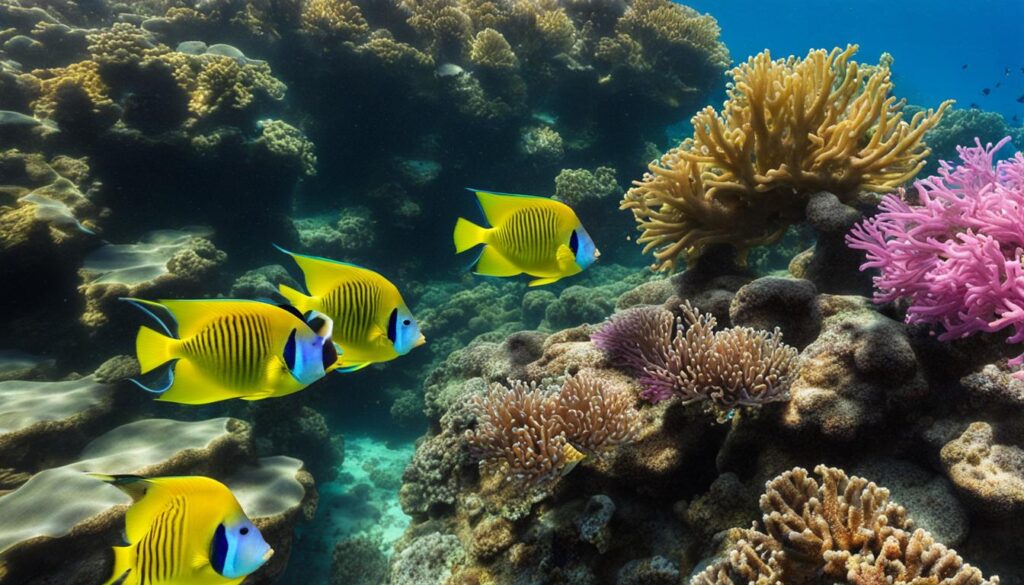
This protected bay features calm, clear waters and a substantial reef structure that hosts various colorful reef fish. The gradual entry makes it suitable for snorkelers of all experience levels.
Swim toward the rocky points to see more diverse marine life.
Santa Maria Bay
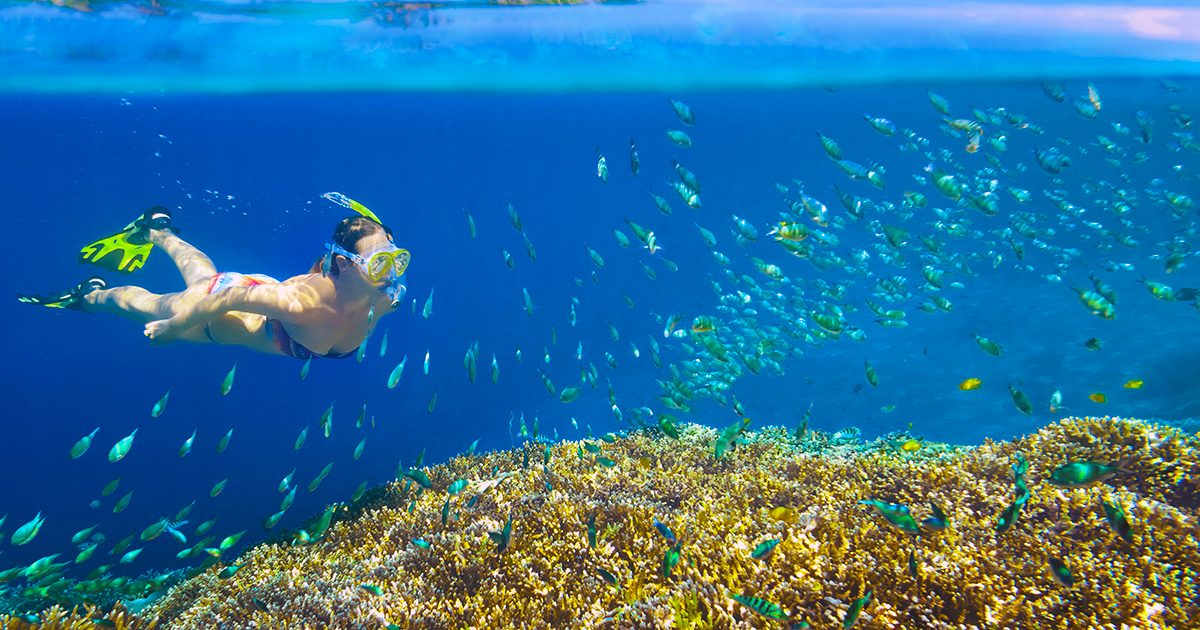
A crescent-shaped cove sheltered by high volcanic cliffs, this site is a marine sanctuary known for its abundant schools of parrotfish and damselfish. The water remains relatively still, providing good visibility for observing the seafloor.
Look for hidden crevices along the rock walls for sightings.
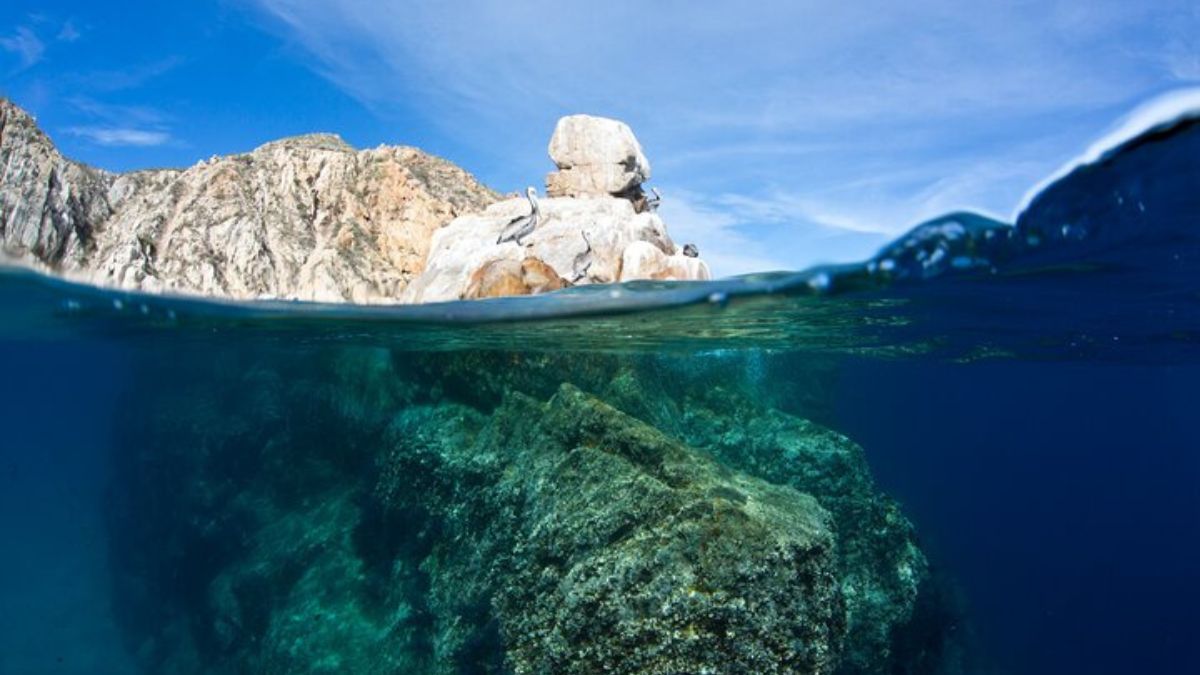
Pelican Rock
Located near the iconic Arch, this formation offers deeper water and the chance to observe larger marine species and active sea lion colonies nearby. The site is often accessed by boat and provides a distinct open-ocean experience.
Keep a distance from the sea lions while observing them.
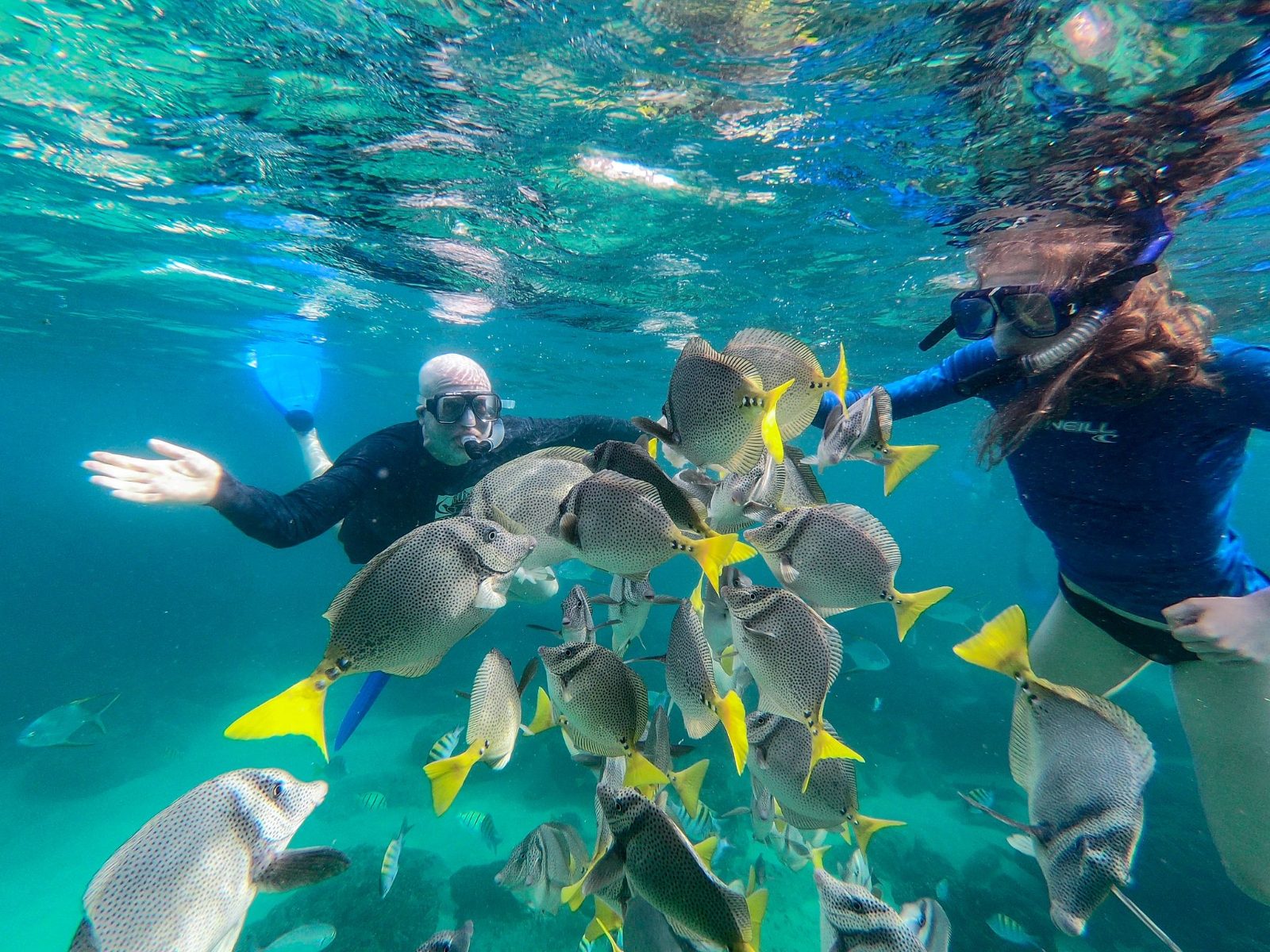
Lovers Beach
Positioned where the Sea of Cortez meets the Pacific Ocean, this location offers access to sandy shallows and rock-filled waters perfect for spotting juvenile tropical fish. It is accessible primarily by water taxi.
Visit the Sea of Cortez side for calmer, clearer water.
Opening Hours for Best Snorkeling in Cabo San Lucas
Public beaches located in the Tourist Corridor of Cabo San Lucas remain accessible to the public at all times. Visitors may access these coastal areas daily throughout the week.
| Monday | 00:00–23:59 | Open daily |
|---|---|---|
| Tuesday | 00:00–23:59 | Open daily |
| Wednesday | 00:00–23:59 | Open daily |
| Thursday | 00:00–23:59 | Open daily |
| Friday | 00:00–23:59 | Open daily |
| Saturday | 00:00–23:59 | Open daily |
| Sunday | 00:00–23:59 | Open daily |
Entrance Fees for Best Snorkeling in Cabo San Lucas
Access to public beaches in Cabo San Lucas is provided at no cost. Snorkeling independently from the shore requires no admission payment, whereas boat-based excursions incur separate fees managed by private operators.
A typical visitor pays 0 USD for beach access, with costs only arising when choosing to book private boat transportation to reach offshore snorkeling sites.
How to Reach the Best Snorkeling in Cabo San Lucas
The primary snorkeling locations are situated along the Tourist Corridor, Cabo San Lucas, Baja California Sur, Mexico. Access is most efficiently achieved by private vehicle or pre-arranged transport via the Transpeninsular Highway (Highway 1).
Transpeninsular Highway (Highway 1) to Tourist Corridor access points
Direct service from Cabo San Lucas city center to beach entrances
Ruta del Desierto bus line towards San José del Cabo; exit at beach access stops
Departure from Cabo San Lucas Marina to secluded snorkeling coves
Essential Checklist for Best Snorkeling in Cabo San Lucas
Proper gear and preparation ensure safe, responsible snorkeling while protecting Cabo's marine ecosystems.
-
Pack reef-safe sunscreen (biodegradable) — Chemical sunscreens harm coral; mineral-based formulas protect reefs and your skin.
-
Bring your own snorkel mask — Rental gear may not fit properly, reducing visibility and comfort in the water.
-
Wear a rash guard or wetsuit — Provides sun protection and thermal insulation in cooler Pacific currents.
-
Secure waterproof storage for valuables — Public beaches have no lockers; keep phones and wallets in sealed dry bags.
-
Check weather and sea conditions — Swells and wind affect visibility; calm mornings offer the clearest water.
-
Confirm tour operator credentials (if booking) — Verify permits and safety equipment for boat-accessed sites like Pelican Rock.
Check availability
Frequently Asked Questions: Best Snorkeling in Cabo San Lucas
Everything you need to know about best snorkeling in cabo san lucas