Quick answer
Diving in Cabo San Lucas operates year-round with departures from Cabo San Lucas Marina daily from 07:30 to 17:00. Morning departures between 07:30 and 13:00 provide the best water conditions and visibility, as afternoon winds typically reduce clarity and increase surface chop after midday.
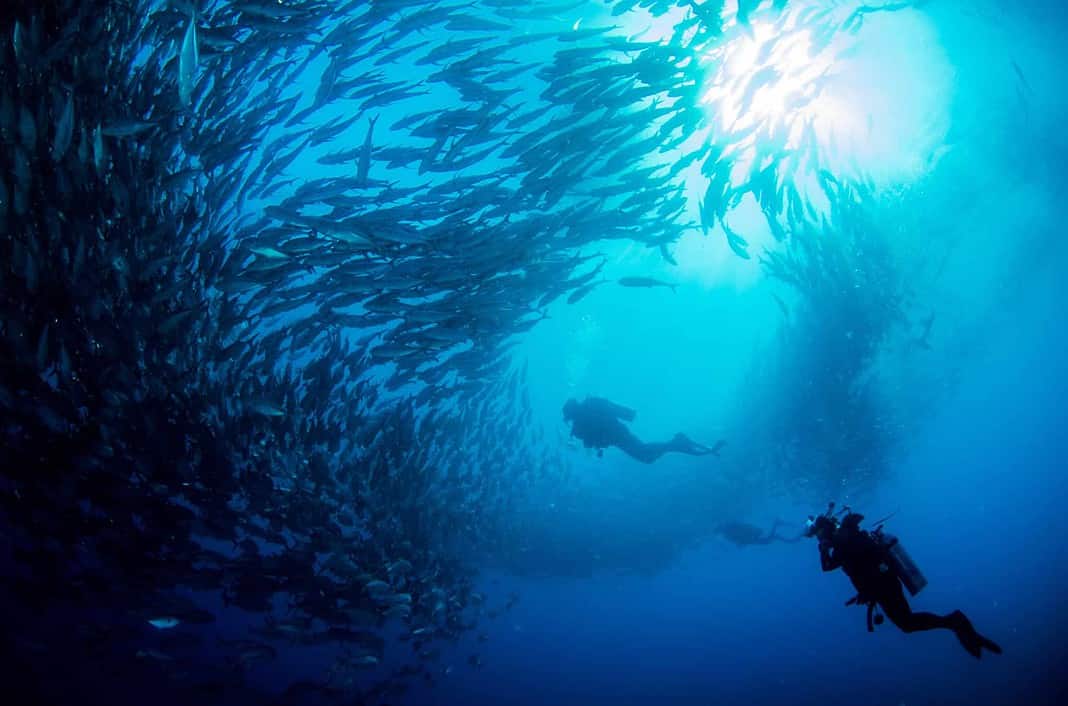
The underwater topography around Cabo San Lucas shifts dramatically within a few nautical miles. Pacific-side sites face open ocean swells and host pelagic species including manta rays, whale sharks during summer months, and migrating humpback whales from December through April. The Sea of Cortez side offers calmer conditions with rocky reefs, sand channels, and resident populations of sea lions, reef fish, and occasional mobula ray schools. Dive operators work with two main launch points: the Cabo San Lucas Marina serves as the primary departure hub, with boats accessing both coasts depending on wind and swell forecasts. Water temperature ranges from 21°C in winter to 28°C in late summer, influencing wetsuit requirements across seasons. Visibility averages 15 to 25 meters but can extend beyond 30 meters during optimal conditions in late spring and early autumn. The marine park structure around Cabo protects key sites including the sea lion colony at Los Islotes and the sand falls near Land's End. Currents vary significantly by location and tidal phase—some sites remain diveable for all certification levels while others require advanced credentials and drift diving experience. Most operators schedule two-tank trips with surface intervals spent between sites or returning briefly to shore. Departure timing directly affects the diving experience. Morning trips benefit from glassier surface conditions and better light penetration at depth. Afternoon departures encounter stronger thermal winds that funnel through the cape, creating chop that complicates boat handling and reduces underwater visibility as particulate matter gets stirred from shallower zones. Operators adjust site selection throughout the day based on real-time sea state and group experience levels.
“Pacific-side sites face open ocean swells and host pelagic species, while the Sea of Cortez side offers calmer conditions with rocky reefs and resident sea lion populations.”
The Best Time for Diving in Cabo San Lucas
The best time for diving in Cabo San Lucas occurs between June and December, when water temperatures peak and visibility remains high. Regarding daily logistics, the best arrival window is 07:30–13:00, as morning departures consistently offer superior water conditions before afternoon winds increase.
June to December
ModerateWarm waters, 78°F to 85°F
This window provides the clearest visibility and warmest temperatures for diving.
January to March
HighCooler waters, 68°F to 74°F
Expect cooler temperatures, though this season coincides with humpback whale migrations.
April and May
Low to ModerateMild waters, 72°F to 77°F
These transition months often feature calm seas and consistent water clarity.
Daily Morning Windows
Low—
Morning departures offer the best water conditions and visibility before afternoon winds.
Verdict: For optimal conditions, plan your trip between June and December and schedule your departures within the 07:30–13:00 arrival window.
Checklist for Your Diving in Cabo San Lucas Excursion
Preparation ensures a smooth departure from Cabo San Lucas Marina and maximizes your underwater experience.
-
Confirm your dive booking in advance — Most operators require reservations and may fill up during peak season.
-
Bring your certification card and logbook — Dive operators verify credentials before allowing certified dives.
-
Pack reef-safe sunscreen and rashguard — Protect yourself without damaging the marine ecosystem you're exploring.
-
Arrive at the marina by 07:30 — Morning departures offer calmer seas and better visibility before afternoon winds pick up.
-
Bring cash for the marine park fee
-
Wear or pack your swimsuit — Changing facilities at the marina are limited, so arrive ready.
-
Carry motion sickness medication if needed — Boat rides to dive sites can be choppy, especially in afternoon conditions.
Combining Your Diving in Cabo San Lucas With Nearby Sights
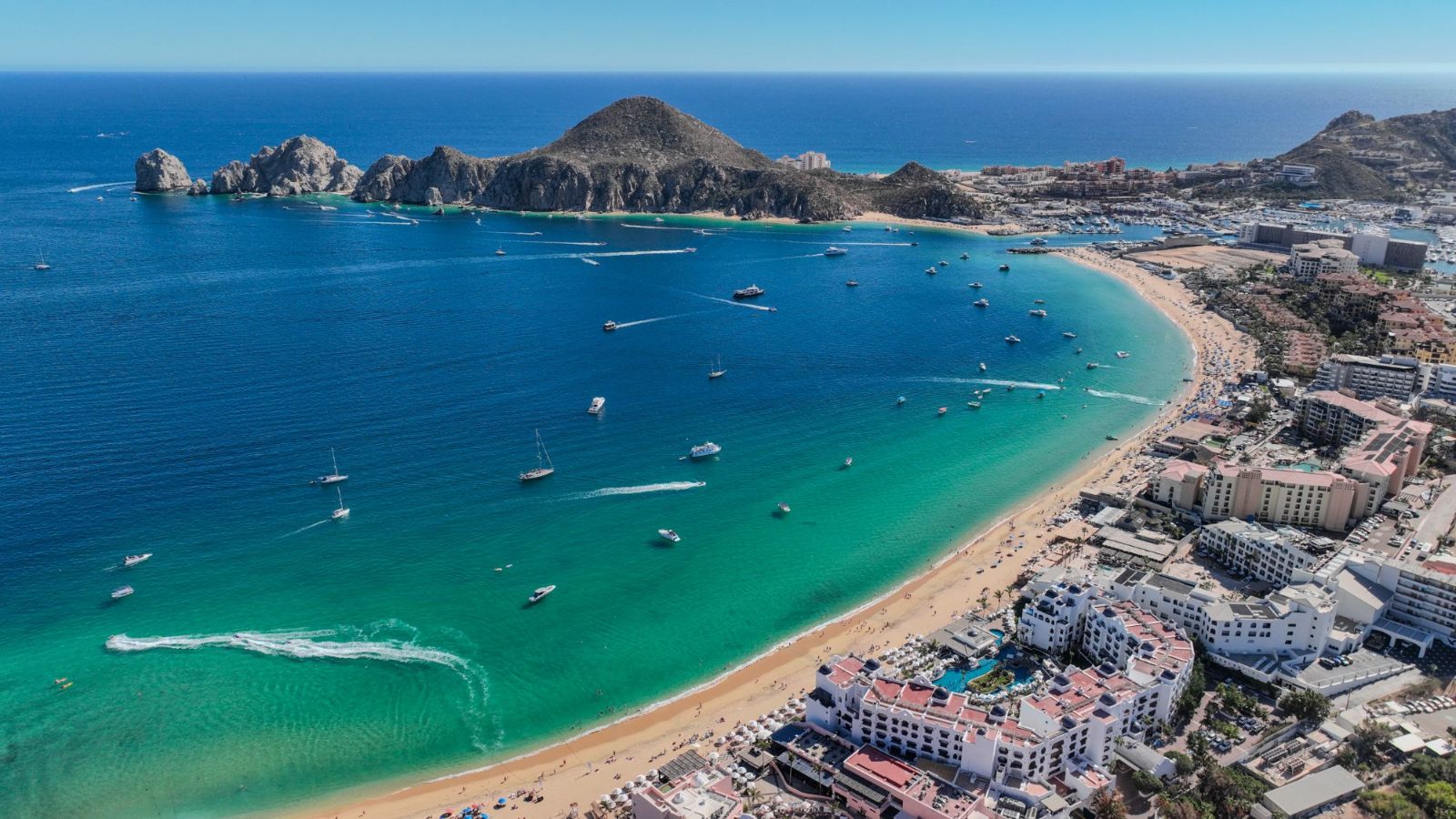
The Cabo San Lucas Marina serves as a central hub, allowing you to easily transition from underwater activities to coastal exploration. Several local landmarks are within walking distance, providing a convenient way to extend your day near the water.
Medano Beach
This swimmable beach offers a relaxed environment to rest after diving while providing views of the Land's End rock formations.
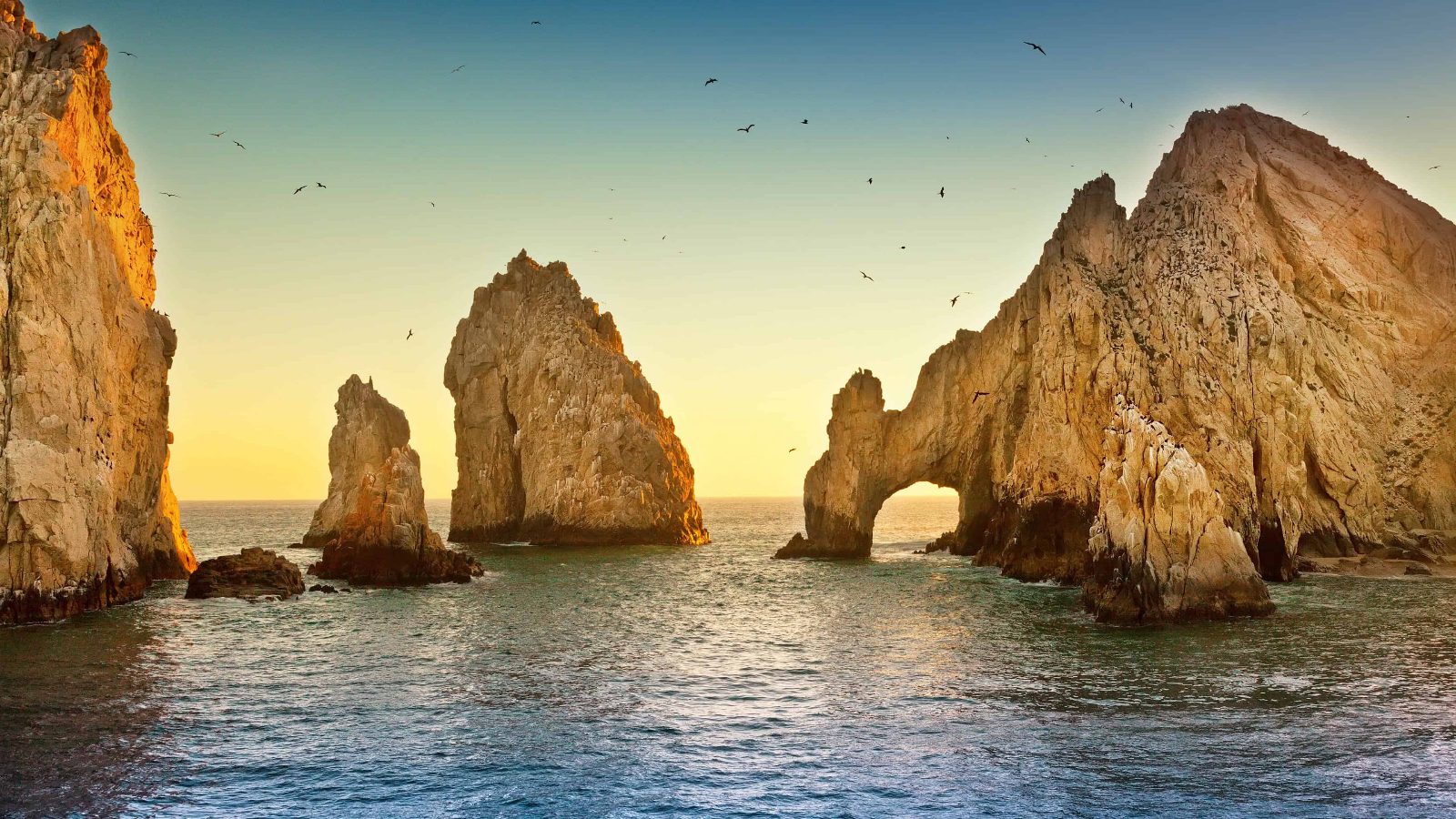
The Arch (El Arco)
Located at the tip of the peninsula, this iconic granite formation is accessible by water taxi from the marina, often combined with sightseeing after boat dives.
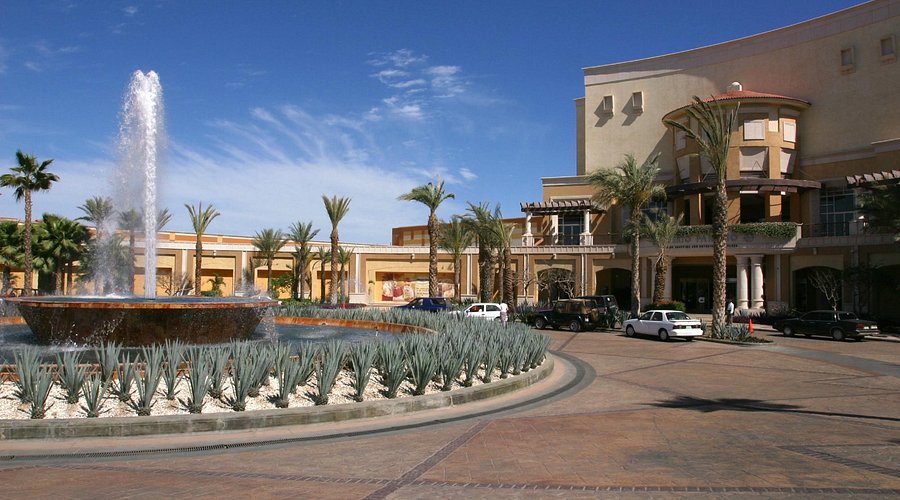
Puerto Paraiso Mall
Situated directly at the marina, this complex offers climate-controlled shopping and dining options for post-dive meals.
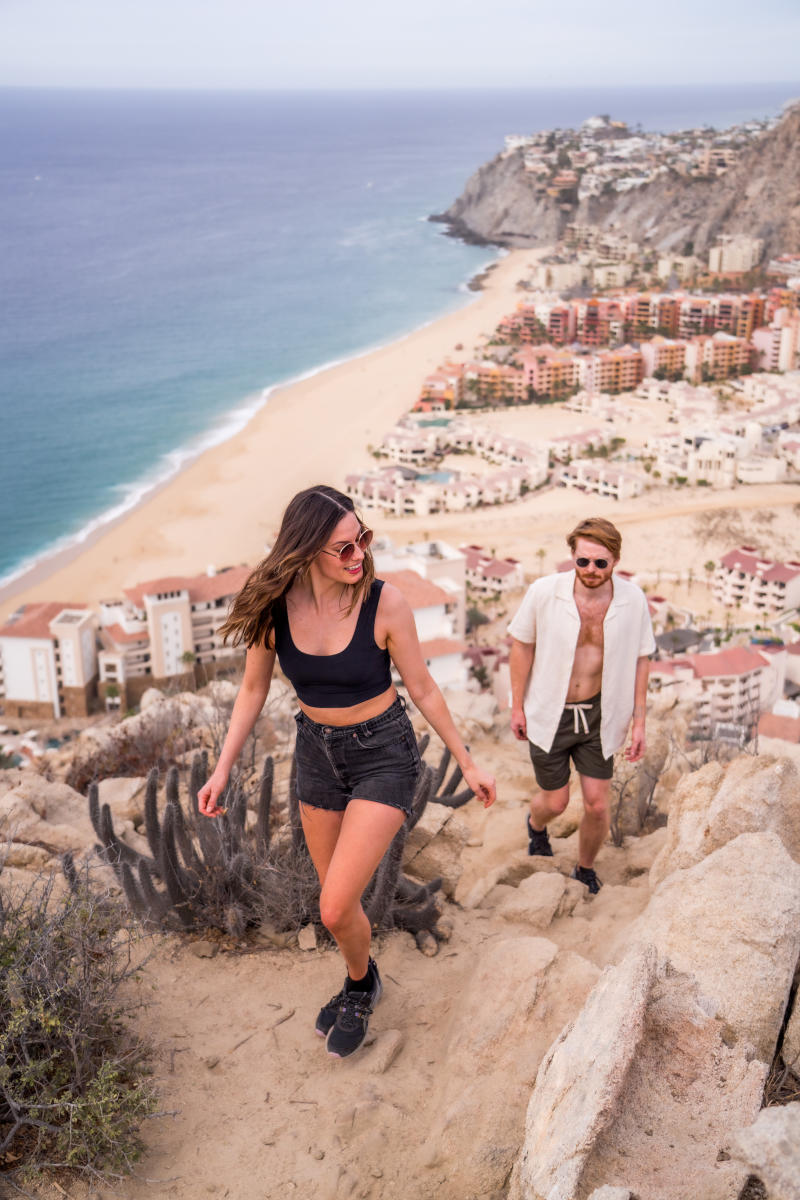
Mount Solmar
For those looking for physical activity after time at sea, this trail provides elevated views of the Pacific Ocean and the Sea of Cortez.
Check availability
Frequently asked questions about diving in Cabo San Lucas
Everything you need to know about diving in cabo san lucas