


Quick answer
Snorkeling in Cabo San Lucas consistently earns high marks for biodiversity—visitors report frequent sightings of tropical fish, rays, and sea turtles at sites like Pelican Rock and Santa Maria Bay. Water clarity averages 40 to 70 feet during calm months (May through October), dropping to 20 to 40 feet when Pacific swells arrive in winter. Early-morning departures between 7:00 and 10:00 capture the calmest conditions and clearest water before afternoon winds pick up.
More than 800 fish species inhabit the waters surrounding the southern tip of the Baja Peninsula, a figure that places the Sea of Cortez among the most biodiverse marine environments on the planet. Jacques Cousteau called it the "aquarium of the world," and modern visitor accounts confirm that the density of life here remains exceptional. Snorkeling in cabo san lucas reviews consistently mention three factors that shape the experience: time of year, time of day, and distance from shore. Winter months bring stronger currents and reduced visibility as Pacific storms churn sediment, while summer and early autumn deliver the glassy conditions that allow snorkelers to spot sergeant majors, king angelfish, and Moorish idols from the surface. Coral formations near Pelican Rock and the submerged reefs off Chileno Beach concentrate marine life in shallow zones accessible to beginners, though the same sites can turn choppy by midday when thermal winds accelerate across the Tourist Corridor. Visitor feedback separates into two camps: those who join guided boat tours departing from the marina, and those who wade in from public beaches. Boat-based excursions reach offshore rock formations where larger species—manta rays, whale sharks during late summer, occasional hammerheads—make appearances that beach snorkelers rarely witness. Beach access at Santa Maria and Chileno costs nothing and offers calmer entry points, but the trade-off is shallower water and fewer pelagic encounters. Conservation fees, when charged, typically run two to three dollars and fund reef monitoring rather than site maintenance. Reports emphasize that gear quality matters. Rental masks with scratched lenses or ill-fitting seals account for a disproportionate share of negative reviews, while visitors who bring or invest in properly fitted equipment describe longer, more comfortable sessions. The Los Cabos Tourist Corridor remains open year-round, and the beaches themselves carry no formal operating hours, so early risers can enter the water before the first tour boats arrive and secure the day's best visibility.
“The density of life here remains exceptional, with coral formations concentrating marine species in shallow zones accessible to snorkelers of all skill levels.”
Optimal Timing for Snorkeling in Cabo San Lucas Reviews
The best arrival window for snorkeling in Cabo San Lucas is 07:00–10:00 to avoid afternoon winds and mid-morning crowds. This timing ensures the calmest water conditions and highest visibility for observing marine life.
June to October
Moderate to highWarm water 80-85°F
Visibility is highest during these months despite occasional humidity.
November to May
High season crowdsCooler water 70-75°F
Expect excellent conditions, though visibility can vary with seasonal currents.
Weekday mornings
Low crowd density—
The ocean remains calmest before the thermal winds develop in the afternoon.
Verdict: For the best experience, plan your visit between Tuesday and Thursday with a 07:00–10:00 arrival during the months of June or October.
Entrance Fees and Costs for Snorkeling in Cabo San Lucas Reviews
Access to public beaches in Los Cabos is free of charge. Costs for snorkeling activities typically depend on whether you choose independent beach access or a guided excursion that includes conservation fees.
Adults pay 0 USD for independent beach access, while total costs fluctuate based on selected tour operators and required marine conservation fees.
Operating Hours for Snorkeling in Cabo San Lucas Reviews
Public beaches in the Los Cabos Tourist Corridor are accessible 24 hours a day. While the shoreline remains open continuously, conditions for water activities vary throughout the day.
| monday | 00:00–23:59 | |
|---|---|---|
| tuesday | 00:00–23:59 | |
| wednesday | 00:00–23:59 | |
| thursday | 00:00–23:59 | |
| friday | 00:00–23:59 | |
| saturday | 00:00–23:59 | |
| sunday | 00:00–23:59 |
Getting to Locations for Snorkeling in Cabo San Lucas Reviews
Snorkeling locations are situated along the Los Cabos Tourist Corridor and accessible from the Cabo San Lucas Marina. Water taxis and private vehicles are the primary methods for reaching these coastal points.
Water taxi from Cabo San Lucas Marina to Playa del Amor
Transpeninsular Highway (Mexico 1) to Tourist Corridor beaches
Private hire to Santa Maria or Chileno Bay
Top Sites for Snorkeling in Cabo San Lucas Reviews
Cabo San Lucas offers diverse underwater environments ranging from protected volcanic coves to rock formations teeming with marine life. These locations are frequently noted by visitors for their accessibility and species variety.
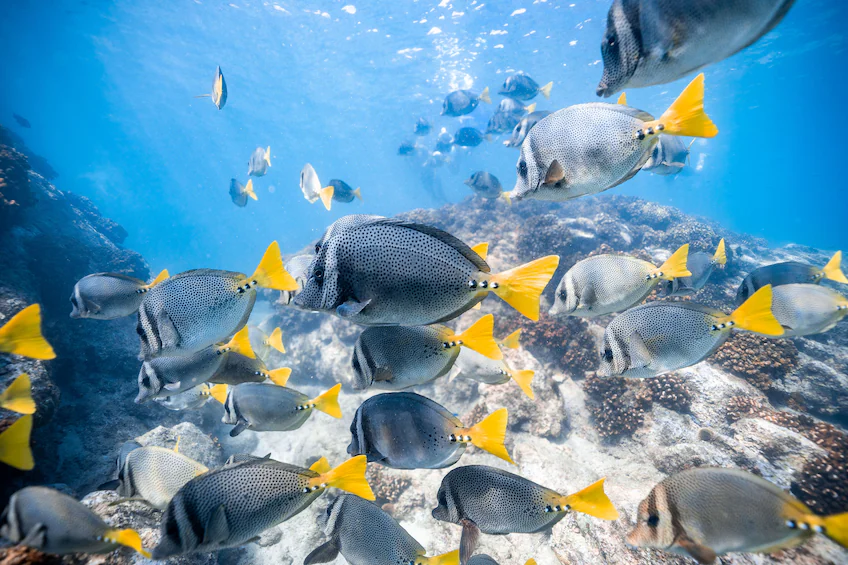
Chileno Bay
This protected bay features calm, clear waters and a coral reef that hosts various tropical fish species.
Enter from the east side for easier reef access.
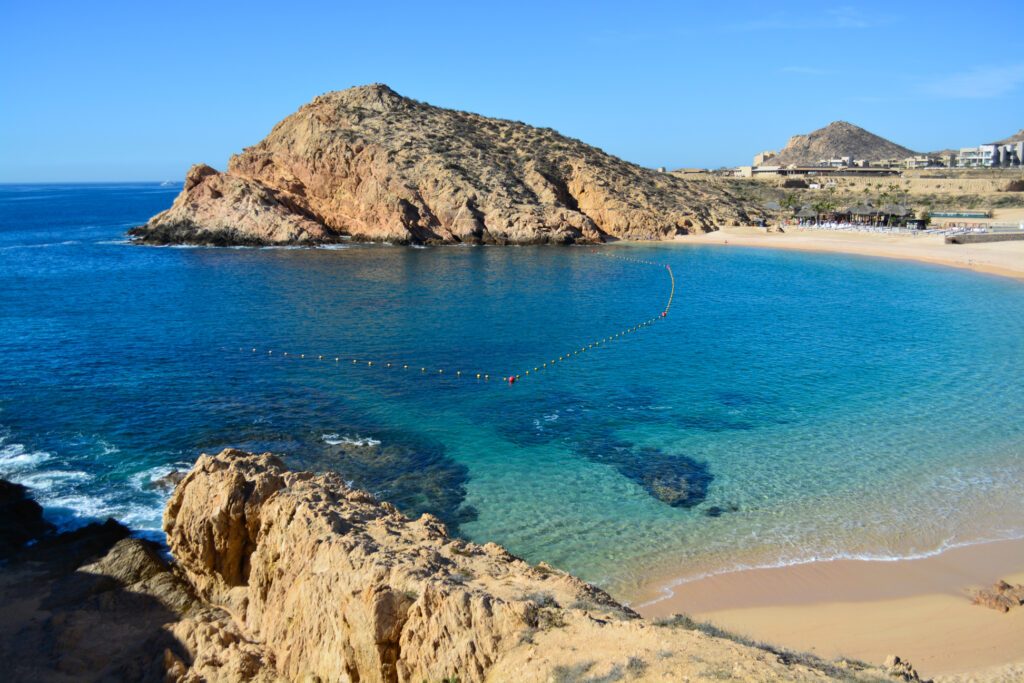
Santa Maria Bay
A horseshoe-shaped cove known for its rocky walls and abundant sea life sheltered from open ocean swells.
Swim along the rock walls to see more fish.
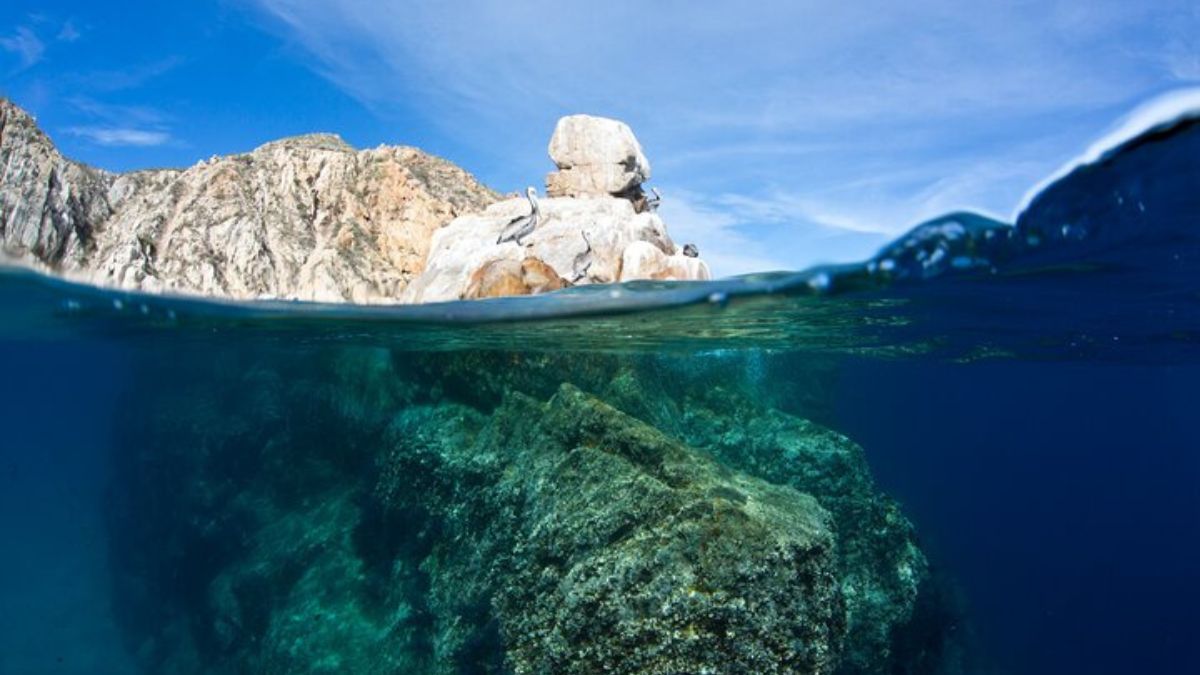
Pelican Rock
Located near Land's End, this site is accessible by boat and provides opportunities to observe large schools of fish.
Stay close to the rock formation during slack tide.
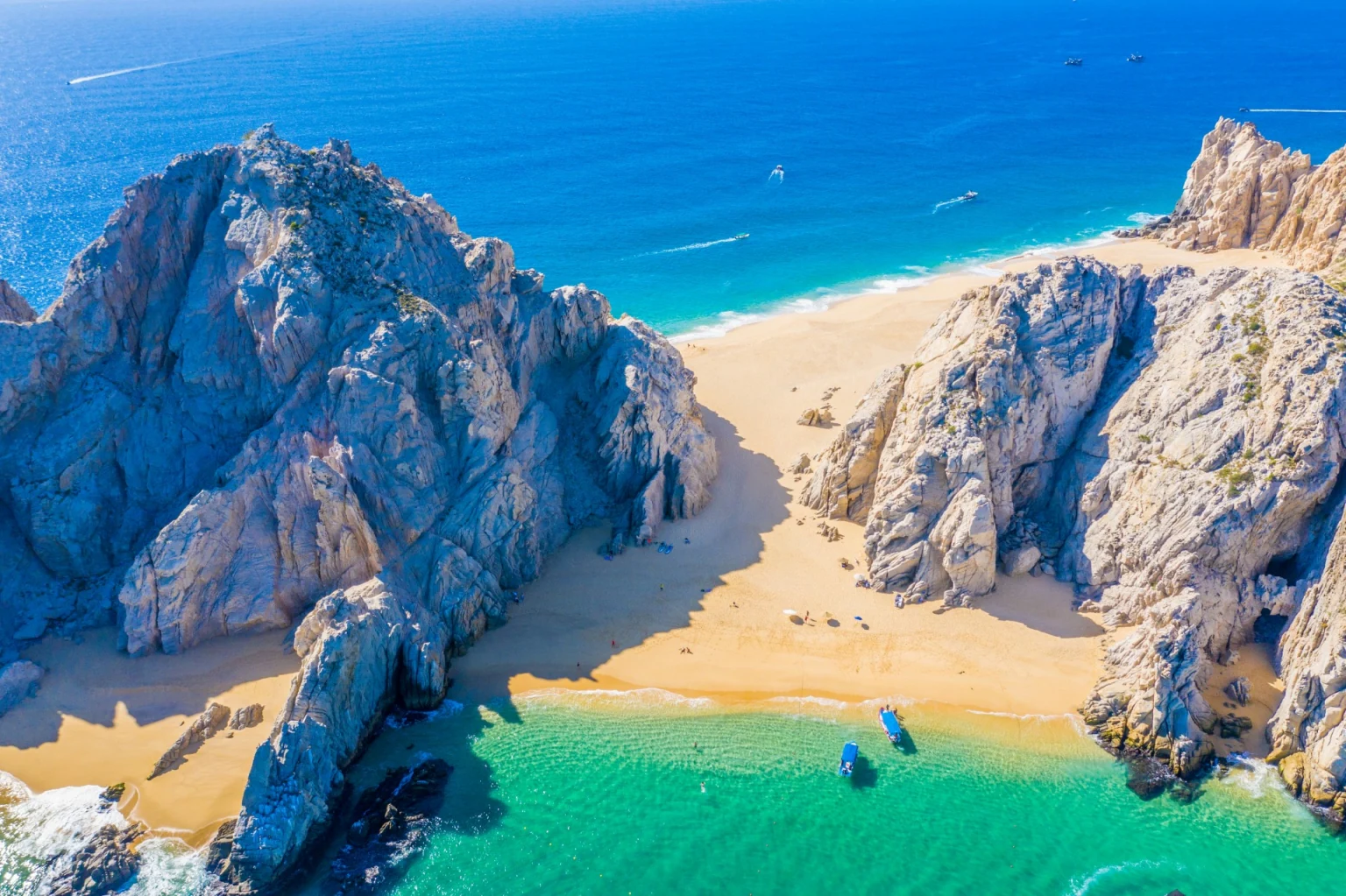
Lover's Beach
Situated where the Sea of Cortez meets the Pacific Ocean, this beach offers shallow snorkeling areas near the rock clusters.
Explore the rock crevices at the north end.
Common Mistakes in Snorkeling in Cabo San Lucas Reviews
Visitors consistently mention preventable problems in their reviews. Most issues stem from ignoring marine conditions, skipping essential gear, or underestimating sun exposure.
Snorkeling during afternoon winds and rough seas
Check morning forecasts and aim for the 07:00–10:00 window when water is calmest and visibility peaks.
Relying on tour operators to supply all necessary equipment
Bring your own mask if possible—rental fit varies widely, and a poor seal ruins the experience.
Applying sunscreen once before entering the water
Reapply reef-safe sunscreen every 60–90 minutes; Cabo's UV index is extreme year-round, and reflection off water doubles exposure.
Ignoring current warnings at Pelican Rock and Land's End
These sites have strong surge and undertow—stay with your guide, avoid solo exploration, and exit immediately if conditions shift.
Booking tours without reading recent weather-related cancellation patterns
December through March sees higher swell activity; confirm the operator's cancellation policy and check swell forecasts 48 hours before departure.
Pre-Visit Checklist for Snorkeling in Cabo San Lucas Reviews
Prepare these essentials before your snorkeling session to maximize safety and comfort in Cabo's marine environment.
-
Book a guided tour or confirm beach access — Most pristine snorkeling sites require boat transport or are within protected areas.
-
Pack reef-safe sunscreen (oxybenzone-free) — Standard sunscreens damage coral; many operators require reef-safe formulas.
-
Confirm snorkeling gear rental or bring your own — Tour operators typically provide equipment, but check fit and quality in advance.
-
Bring waterproof identification and cash — Marine park conservation fees and tipping require physical currency at some locations.
-
Check wind and visibility forecasts — Afternoon winds reduce visibility; plan arrival for the 07:00–10:00 window.
-
Arrange beach towels and dry clothes — Facilities vary by location; tours may not provide changing areas.
Check availability
Common Questions: Snorkeling in Cabo San Lucas Reviews
Everything you need to know about snorkeling in cabo san lucas reviews